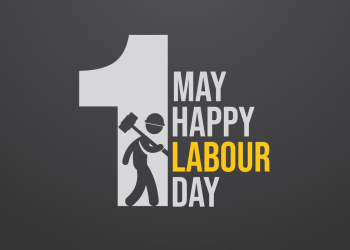









Celebrated in over 80 countries. A public holiday for millions. But few know its true origins. May 1st is not just another day. It is International Workers’ Day, also known as Labour Day in many parts of the world.
A History Born in Blood and Strike
The story begins in the 19th century. Workers faced 12 to 16-hour shifts. Conditions were dangerous. Pay was low. Child labour was normal. On May 1st, 1886, a major protest changed everything. Over 300,000 workers in the United States walked off the job. They demanded an 8-hour workday. The protests continued for three days. Then came the Haymarket Affair in Chicago (May 4th). A bomb exploded. Police fired into the crowd. Dozens died including officers and civilians.
How May 1st Became Global Labour Day
In 1889, an international socialist congress met in Paris. They declared May 1st as the official day to protest for workers’ rights. The date honoured the Haymarket martyrs. Europe and Latin America quickly adopted it. The USSR made it a massive state holiday. Today, countries like Germany, France, Brazil, India, and Japan celebrate May 1st with rallies or days off.
How Different Countries Celebrate May 1st
- Germany: Rallies and political speeches. Some regions still hold traditional “Dance into May” festivals on April 30th.
- France: It is very common to give lily of the valley flowers as a symbol of spring and worker solidarity.
- Russia: Grand military-style parades and official ceremonies (though less political than Soviet times).
- South Africa: Public holiday known as Workers’ Day with marches against inequality.
- India: Labour unions organise rallies. Banks and government offices close.
May 1st Labour Day is both a celebration and a protest. It honours past sacrifices. It pushes for future rights. Next time you enjoy a lunch break or a paid holiday, remember the workers of 1886.
More Links!
1st May – Labour Day in Pakistan: Celebrating Workers’ Rights!
Pakistan May 2026 Holidays: Multiple Long Weekends Set to Delight Travelers