








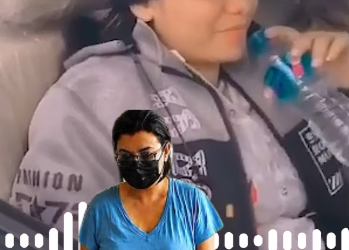



Pakistani social media influencer Fatima Jatoi has recently found herself at the center of intense online discussion after claims about a 6 minutes 39 seconds video began circulating across social media platforms. The issue quickly gained traction, prompting widespread speculation and debate among Pakistani internet users.
As the controversy grew, Fatima Jatoi chose to address the situation publicly. In her statement, she expressed emotional distress and highlighted the mental toll such viral incidents can have on individuals. Without confirming the authenticity of the circulating claims, she emphasized how quickly misinformation spreads online and how damaging it can be to personal dignity and mental well-being.
The situation once again brings attention to a recurring problem in Pakistan’s digital landscape — unverified content going viral without accountability. Many social media users pointed out that leaked or alleged videos are often shared without considering consent, authenticity, or long-term consequences.
Digital rights advocates in Pakistan have repeatedly warned about the misuse of private content, AI-generated deepfakes, and character assassination through viral trends. In Fatima Jatoi’s case, supporters urged the public to refrain from speculation and respect privacy, while calling for stronger action against online harassment.
The controversy has also sparked conversations around mental health, online ethics, and influencer responsibility. As audiences consume viral content at high speed, experts stress the need for critical thinking and empathy, especially when real people are involved.
While the debate continues, Fatima Jatoi’s response serves as a reminder of how quickly online narratives can spiral out of control — and why responsible digital behavior is more important than ever in Pakistan’s growing social media culture.