











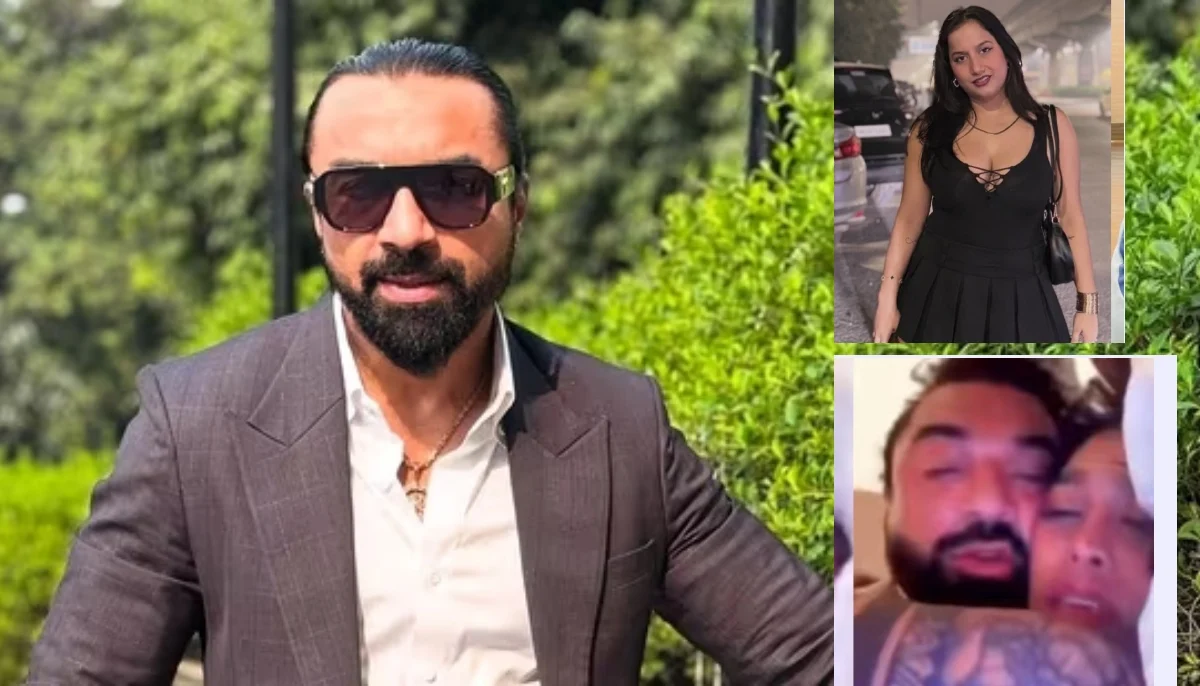
Bollywood actor and former Bigg Boss 7 contestant Ajaz Khan has unexpectedly returned to public attention — not for a project or performance, but due to a viral and unverified video that has set social media abuzz with speculation and concern.
What’s Happened?
An alleged intimate video purportedly featuring Ajaz Khan has been circulating across social platforms in the past few days. The clip — which has not been authenticated by any reliable source — appears to show Khan in a private moment with a woman, prompting widespread discussion and trending hashtags online.
At this stage, there’s no official confirmation about the authenticity of the video or whether it’s genuine footage, a manipulated clip, or even an AI-generated deepfake. Despite the lack of verification, it has nonetheless sparked intense reactions from users, with many sharing opinions, screenshots, and theories across Instagram, Twitter, and other networks.
Deepfake Fears and Digital Manipulation
The situation has reignited broader concerns about deepfake technology — where AI is used to create or alter video content in ways that appear highly realistic but are entirely fabricated. In recent years, deepfakes have emerged as a growing problem globally, used to target public figures, influencers, and ordinary individuals alike, often with harmful impact.
Across South Asia, multiple incidents have shown how quickly manipulated content can spread online, causing reputational damage before verifiable facts emerge. Advocacy groups and digital safety experts have repeatedly warned that AI-driven fake media poses significant challenges for privacy, law enforcement, and public trust.
Public Reaction and Social Media Trends
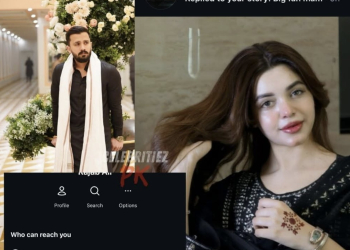
Much of the current buzz around Ajaz Khan stems from users drawing connections between this alleged video and other recent online controversies. Some social media commentators pointed to interactions between Khan and Delhi-based fitness influencer Fit Varsha, where screenshots of supposed chats were shared — though again, none of these materials have been confirmed as legitimate.
What is clear from trending posts is that discourse around the alleged video has blurred fact and speculation, with many users responding emotionally before any factual verification. This pattern reflects a wider trend on social media: unverified content often goes viral faster than debunks or official clarifications can catch up.
Ajaz Khan’s Recent Media Presence
The timing of the video’s circulation also coincides with heightened attention on Ajaz due to his recent podcast remarks about fellow reality star Elvish Yadav — a conversation that had already generated online discussion. Quotes from that podcast have been shared alongside the viral video, further fueling engagement and controversy.
So far, Ajaz Khan has not issued an official statement addressing the viral clip or the deepfake speculation surrounding it. Similarly, no authoritative source has confirmed the video’s origin, casting the entire controversy into a grey zone of digital rumor and viral sensation.
Why This Matters
The Ajaz Khan case highlights several important issues in today’s media landscape:
- Digital Ethics: How should public figures protect their reputation in the age of AI-powered manipulation?
- Verification vs. Virality: Why false or unverified content often spreads faster than corrective information?
- Legal Frameworks: Many countries are still updating their laws to address non-consensual deepfake content, particularly in the realm of intimate imagery and online defamation.
Until independent confirmation is available, audiences are advised to treat viral material with caution and avoid spreading unverified clips that could harm individuals’ privacy or reputations.