








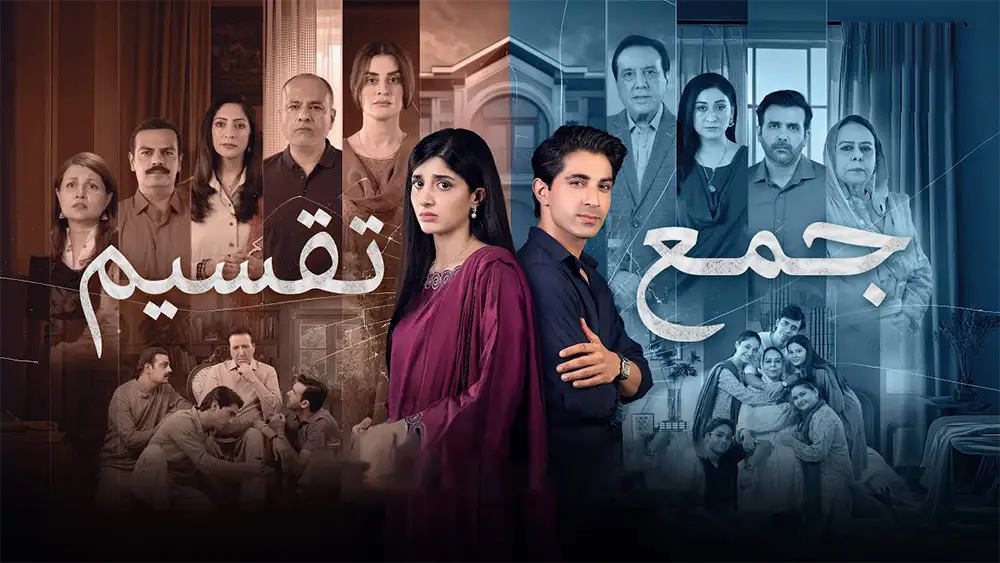
Why Jama Taqseem Feels So Personal to Viewers
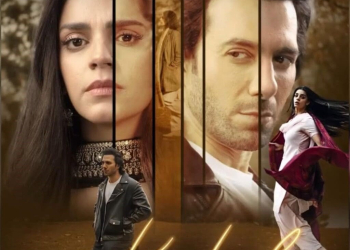
In a world flooded with cliché saas-bahu dramas, HUM TV’s Jama Taqseem has emerged as a story that hits close to home for many. Written by Sarwat Nazir and directed by Ali Hassan, this powerful drama brings the harsh realities of joint family systems to the forefront and viewers can’t help but relate.
The drama stars Talha Chahour as Qais and Mawra Hocane as Laila, a newly married couple trying to navigate life in a deeply toxic joint household. Surrounded by dominating elders and relentless family politics, their struggles mirror what many young couples experience in real life.
Joint Family Pressures – A Shared Experience
With veteran actors like Javed Sheikh, Beo Raana Zafar, and Madiha Rizvi adding depth to the cast, Jama Taqseem doesn’t shy away from showcasing the emotional toll such toxic environments take. The suffocating expectations, forced sacrifices, and the unrealistic burden placed on women are all-too-familiar themes for viewers across Pakistan.
What makes Jama Taqseem different is not just its realism, but the courage to address uncomfortable truths. It’s not just entertainment — it’s a mirror to society.
Why Jama Taqseem Is Striking a Chord
Every episode feels like a reflection of someone’s reality a sister, a cousin, a friend or even your own. That’s what makes Jama Taqseem more than just another drama. It’s a conversation starter, a truth-teller, and a voice for many silent sufferings.