
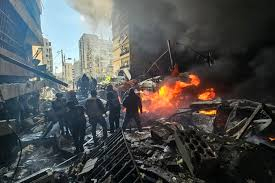














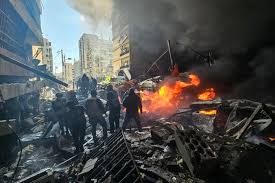
Lebanon continues to face a worsening humanitarian crisis as ongoing Israeli attacks across southern regions have reportedly killed more than 2,800 people since March. According to Lebanon’s Ministry of Public Health, thousands have also been injured, while countless families remain displaced amid rising fears of a wider regional conflict.
The Lebanon humanitarian crisis has sparked global concern, with humanitarian organizations warning that civilians are paying the highest price. Despite repeated ceasefire efforts and international pressure for de-escalation, violence continues to escalate in several border areas, leaving communities devastated and critical infrastructure severely damaged.
Thousands Displaced as Southern Lebanon Faces Relentless Violence
Civilian Areas Under Growing Threat
Reports from local authorities indicate that residential neighborhoods, medical facilities, and public infrastructure have suffered extensive damage during the attacks. Many families have fled their homes in search of safety, while emergency services struggle to cope with the increasing number of casualties.
The ongoing Israeli attacks in Lebanon have also disrupted access to healthcare, food supplies, and basic necessities. Aid groups warn that the humanitarian situation may worsen further if violence continues in the coming weeks.
International Community Urges Immediate De-Escalation
World leaders and international organizations have repeatedly called for restraint and an immediate ceasefire. However, tensions remain high as clashes continue near the Lebanon-Israel border, raising concerns about regional stability and the possibility of broader escalation in the Middle East.
Analysts believe the Lebanon humanitarian crisis could have long-term consequences for the country’s fragile economy and already struggling public services.
As the death toll rises and thousands remain displaced, the Lebanon humanitarian crisis continues to draw international attention. With civilians trapped in the middle of ongoing Israeli attacks, urgent diplomatic action and humanitarian assistance are becoming increasingly critical to prevent further tragedy and instability in the region.