












The Maha Kumbh Mela is one of the largest religious gatherings in the world, held every 12 years at four locations in India: Haridwar, Prayagraj (Allahabad), Nashik, and Ujjain. The festival, which has deep roots in Hindu tradition, draws millions of devotees from across the globe to participate in sacred rituals, particularly the holy dip in the river. This purification act is believed to wash away sins and grant spiritual salvation.
Current Maha Kumbh Mela
The 2025 Maha Kumbh Mela is currently underway in Prayagraj, a city in Uttar Pradesh, which is expected to host over 100 million people during the span of the festival. The festival is a grand spectacle, bringing together people from all walks of life, from devout pilgrims to curious tourists. The event is celebrated by Hindus, who believe that it is an auspicious time when the planets align to create a spiritual window for divine blessings.
Rituals and Significance
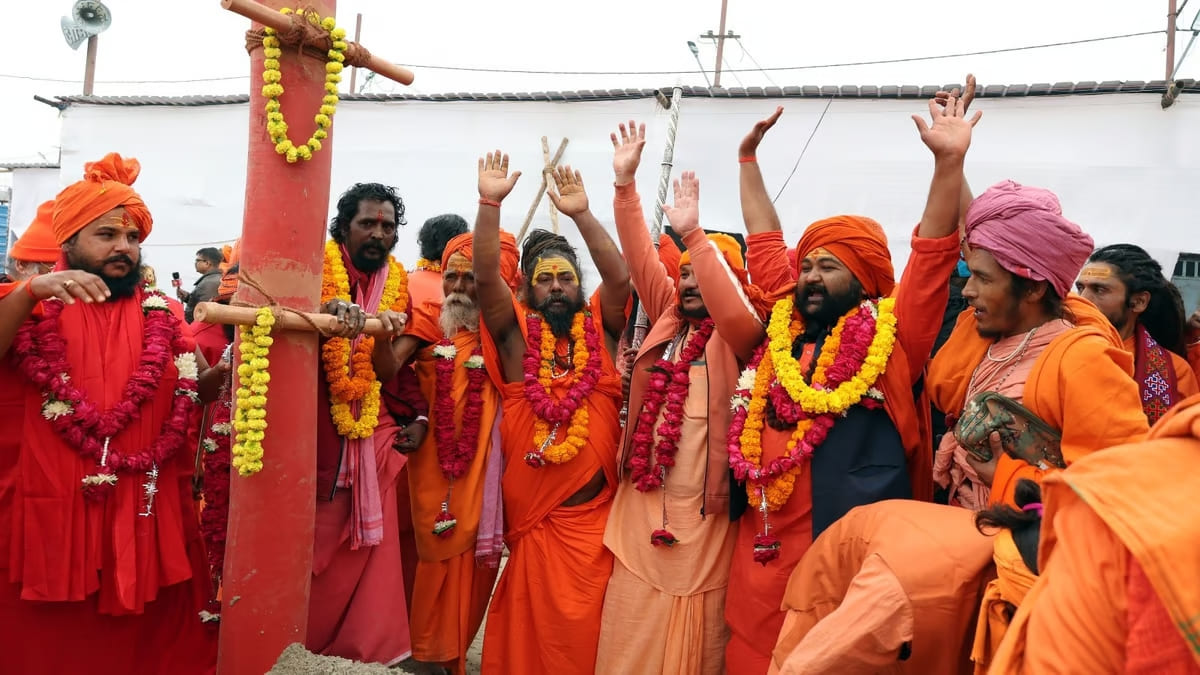
The central ritual is the Shahi Snan, or royal bath, which takes place at designated times, believed to be the most spiritually significant moments. During this period, pilgrims and saints immerse themselves in the Triveni Sangam – the confluence of the Ganges, Yamuna, and the mystical Sarasvati rivers. This holy bath is followed by various religious discourses, yoga sessions, and cultural performances that highlight India’s diverse spiritual practices.
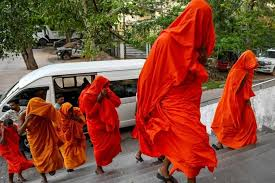
The Maha Kumbh Mela also sees the arrival of Akharas (monastic orders), which bring in a fascinating mix of traditional rituals, ascetics, and sadhus who lead religious processions. These revered monks, often adorned with symbolic body markings and colorful attire, add a distinct character to the event.
Global Participation
While traditionally a Hindu festival, the Maha Kumbh Mela has become a global event. Thousands of non-Indian visitors travel to India to witness this spiritual carnival. It is an opportunity to witness the immense diversity of India’s culture and traditions in one place.
Managing the Mass Gathering
Organizing such a massive event presents a unique challenge. The Indian government and local authorities have implemented extensive measures for crowd control, public health, and safety, including medical facilities, sanitation arrangements, and transport services. The sheer scale of the Mela demands precision and planning, ensuring the smooth conduct of the festival.
Cultural and Economic Impact
The Maha Kumbh Mela also offers a glimpse into India’s rich cultural heritage. Artists, performers, and craftsmen from all over the country showcase their talents, creating an economic ecosystem around the festival. Additionally, the festival gives a significant boost to local businesses, especially in tourism, hospitality, and the sale of religious items.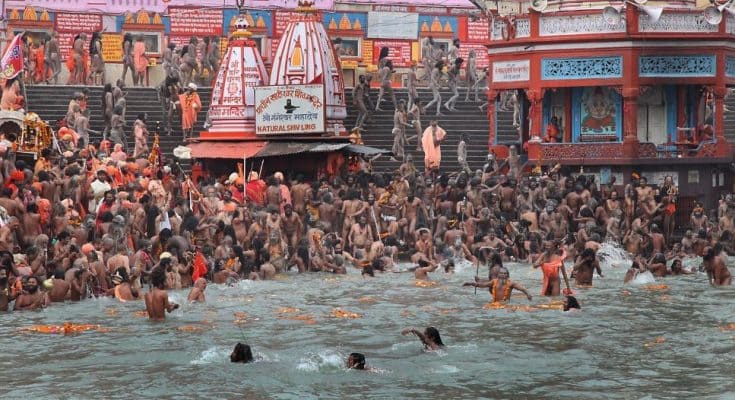
Conclusion
The Maha Kumbh Mela is more than just a religious festival; it is a profound symbol of India’s spiritual, cultural, and social fabric. The convergence of millions of people with a shared devotion to faith, combined with the historic and cultural richness, makes it a remarkable event on a global scale. As it unfolds in Prayagraj, it remains a focal point for those seeking spiritual renewal, cultural exploration, and an understanding of the Indian way of life.