
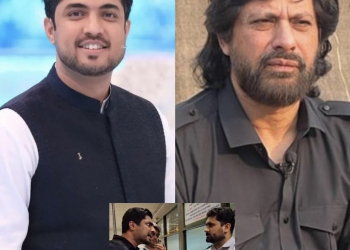



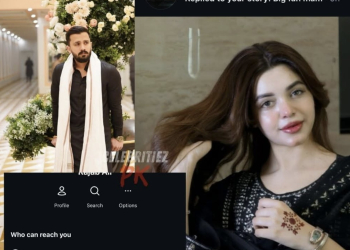





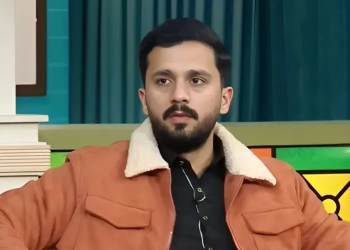


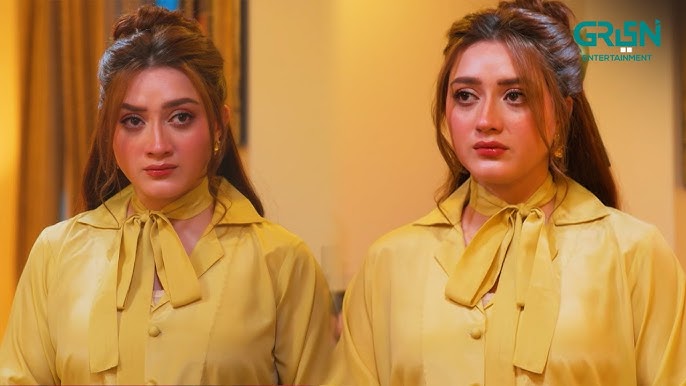
Pakistani influencer Momina Iqbal has spoken out. She addressed a roast video made about her. Momina stated the content was not constructive criticism. She believes the creator’s behavior crossed a line. The situation highlights ongoing debates about online content. It questions the difference between humor and harassment.
The Viral Roast Sparks Backlash
A content creator recently posted a video. The video was a “roast” of Momina Iqbal. However, this one quickly sparked controversy. Many viewers felt the video went too far. They argued the comments were personal and disrespectful. The video gained significant traction online. This led to widespread discussion on social media platforms.
Momina Iqbal’s Official Response
Momina Iqbal did not stay silent. She posted a statement on her social media. Her message was clear and firm. She expressed her disappointment. Momina stated that creating content for laughs is one thing. But targeting someone maliciously is different. She confirmed the creator’s actions crossed a personal boundary.
View this post on Instagram
“This Needs to Be Reported”
A key part of Momina’s response was a call to action. She directly addressed her followers and the public.
Momina Iqbal said, “This needs to be reported.” She urged people to stand against online bullying. Her stance is that such behavior should not be tolerated. She encouraged reporting the content to the relevant platforms.
Online Community Shows Support
The public reaction has been largely supportive of Momina. Fans and fellow creators rallied behind her. Many praised her for addressing the issue directly. They agreed that cyberbullying is a serious problem. Supporters flooded her comments with positive messages. They reinforced that constructive criticism does not include personal attacks.
The Fine Line: Roast vs. Cyberbullying
This incident raises an important question. Where is the line between a roast and cyberbullying? Roasts are typically done with mutual understanding. Cyberbullying involves targeted, harmful behavior. It often aims to demean or harass an individual. Momina Iqbal’s case shows this line was blurred. Her response underscores the need for creators to be responsible. Content should not come at the cost of someone’s mental health.
Conclusion: A Stand Against Online Harassment
Momina Iqbal has taken a strong stand. She has clarified that harmful content is not acceptable. By speaking up, she empowers others facing similar issues. Her message is simple. Think before you create. Respect is paramount. Online platforms should be safe spaces for everyone. Reporting harmful behavior is a necessary step to achieve this.