










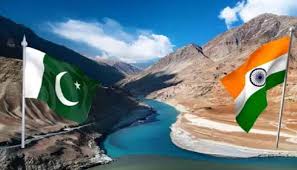
Pakistan’s warning to the United Nations over India’s Indus Waters Treaty decision has drawn global attention to rising concerns about regional water security. In a strongly worded address, Pakistan cautioned that placing the Indus Waters Treaty in abeyance could destabilize South Asia and set a dangerous precedent. The issue, Pakistan stressed, is not just political it is humanitarian, economic, and environmental.
Pakistan Raises Concerns at the United Nations
Pakistan’s envoy told the UN that the Indus Waters Treaty, signed in 1960, has endured wars, crises, and decades of hostility. According to Islamabad, any unilateral suspension undermines international agreements and erodes trust between nations.
“Weaponization of Water” Warning
The envoy described India’s move as a deliberate weaponization of water, warning that downstream communities could face severe consequences, including reduced agricultural output, water shortages, and ecological damage.
Call for Global Action on Water Security
Pakistan urged the international community to intervene and ensure that water-sharing agreements are not used as political leverage. Emphasizing cooperation over confrontation, the envoy said water must remain a bridge for peace, not a trigger for conflict.
As tensions rise, Pakistan’s warning to the UN on the Indus Waters Treaty highlights the urgent need to protect shared water resources. The message is clear: safeguarding water security is essential for regional stability and millions of lives.