












The Hidden Meaning of “Nants Ingonyama” in The Lion King
The hidden meaning of “Nants Ingonyama” in The Lion King has recently taken the internet by storm. For decades, fans sang along to the powerful opening chant without truly knowing what it meant. Now that the translation has resurfaced, audiences are rediscovering the magic of The Lion King (1994) in a whole new way.
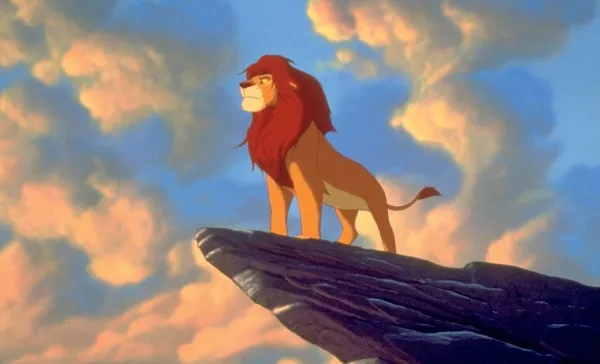
In the unforgettable opening scene of The Lion King, as the sun rises over the Pride Lands, the Zulu chant begins: “Nants ingonyama bagithi baba.” Many believed it loosely meant “Here comes a lion, father.” However, the more accurate translation is closer to “Here is a lion, my people” or “Behold the lion.” That subtle difference makes the moment even more powerful.
What “Nants Ingonyama” Really Means
The chant, performed by Lebo M, sets a regal tone for Simba’s presentation. It signals unity, celebration, and the arrival of a future king. Knowing the true meaning deepens the emotional weight of the scene and explains why it feels so grand and spiritual.
Why Fans Are Talking About It Again
Social media revived interest in the hidden meaning of “Nants Ingonyama” in The Lion King. Viewers are amazed that such an iconic line carried a richer cultural message all along. It reminds us how layered Disney storytelling can be.
Of course, the film gave us other legendary phrases like “Hakuna Matata,” meaning “no worries.” But discovering the real translation behind the opening chant adds a fresh layer of appreciation to this timeless classic.
The hidden meaning of “Nants Ingonyama” in The Lion King proves that even decades later, this beloved film still has secrets to reveal. Next time you hear that opening chant, you’ll know—you’re witnessing the announcement of royalty.