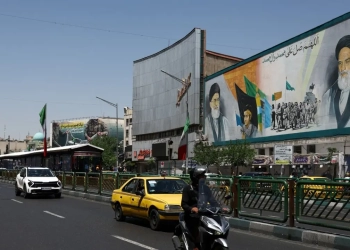














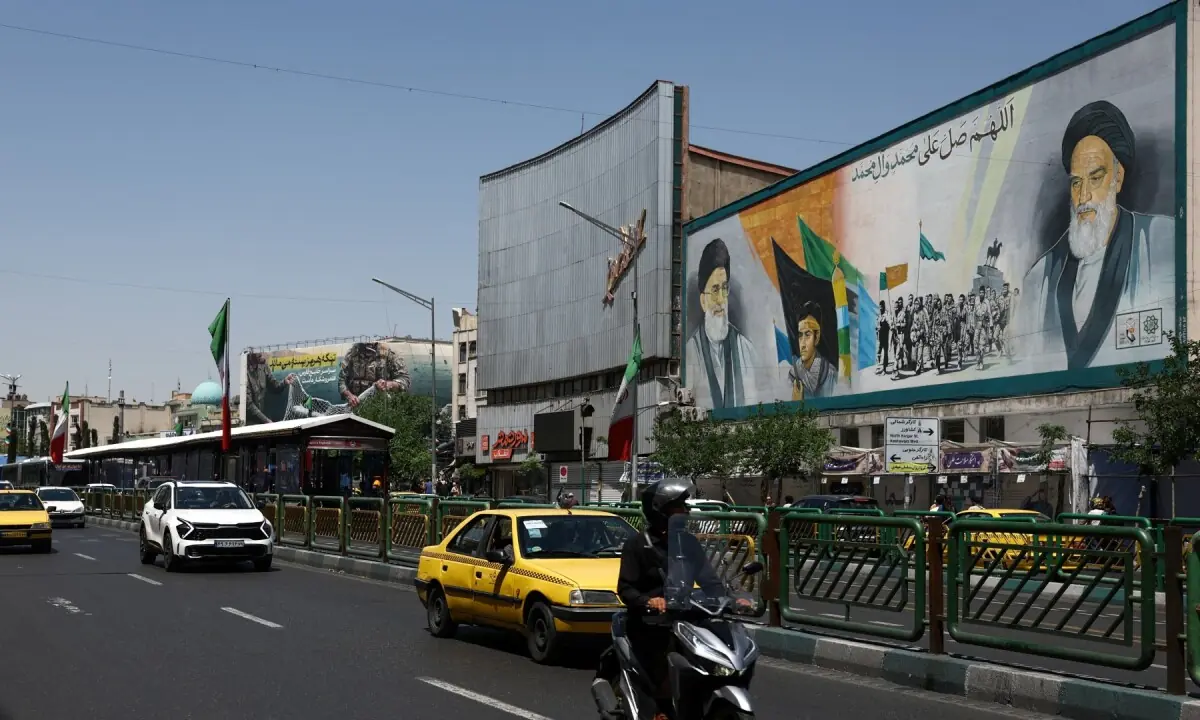
The phrase War Returns to Iran is once again making global headlines. The United States and Israel launched joint strikes on Iranian targets on February 28. Both countries called the attacks “pre-emptive” operations against growing security threats.
US President Donald Trump announced the start of “major combat operations.” Israeli officials also defended the action and claimed Iran posed a serious danger to regional stability.
The attacks quickly increased tensions across the Middle East. Many countries feared the conflict could spread beyond Iran’s borders.
Ayatollah Khamenei Assassination Changes Iran’s Leadership
The biggest shock came after reports confirmed the death of Iran’s Supreme Leader Ayatollah Ali Khamenei during the strikes. The news created political uncertainty across the region.
Mojtaba Khamenei Takes Power
Iran later named Mojtaba Khamenei as the country’s new supreme leader. His appointment drew worldwide attention as leaders monitored Iran’s next move.
Experts believe the leadership change could reshape Iran’s foreign policy and military strategy.
Ceasefire Offers Temporary Relief
Iran and the United States agreed to a two-week ceasefire on April 8. Leaders later extended the truce indefinitely. The agreement reduced fears of immediate escalation.
Pakistan Hosts Historic Talks
Pakistan hosted direct talks between US and Iranian officials in April. It marked the first face-to-face meeting between both sides in 47 years.
The talks ended without a final breakthrough. However, both countries agreed to continue diplomatic communication.
Global Economy Feels Pressure
The Iran conflict has already affected the global economy. Germany warned that rising oil prices and supply chain disruptions could hurt economic growth in the second quarter.
Business confidence has also weakened because investors remain uncertain about the future of the conflict.
Israel Expands Security Measures
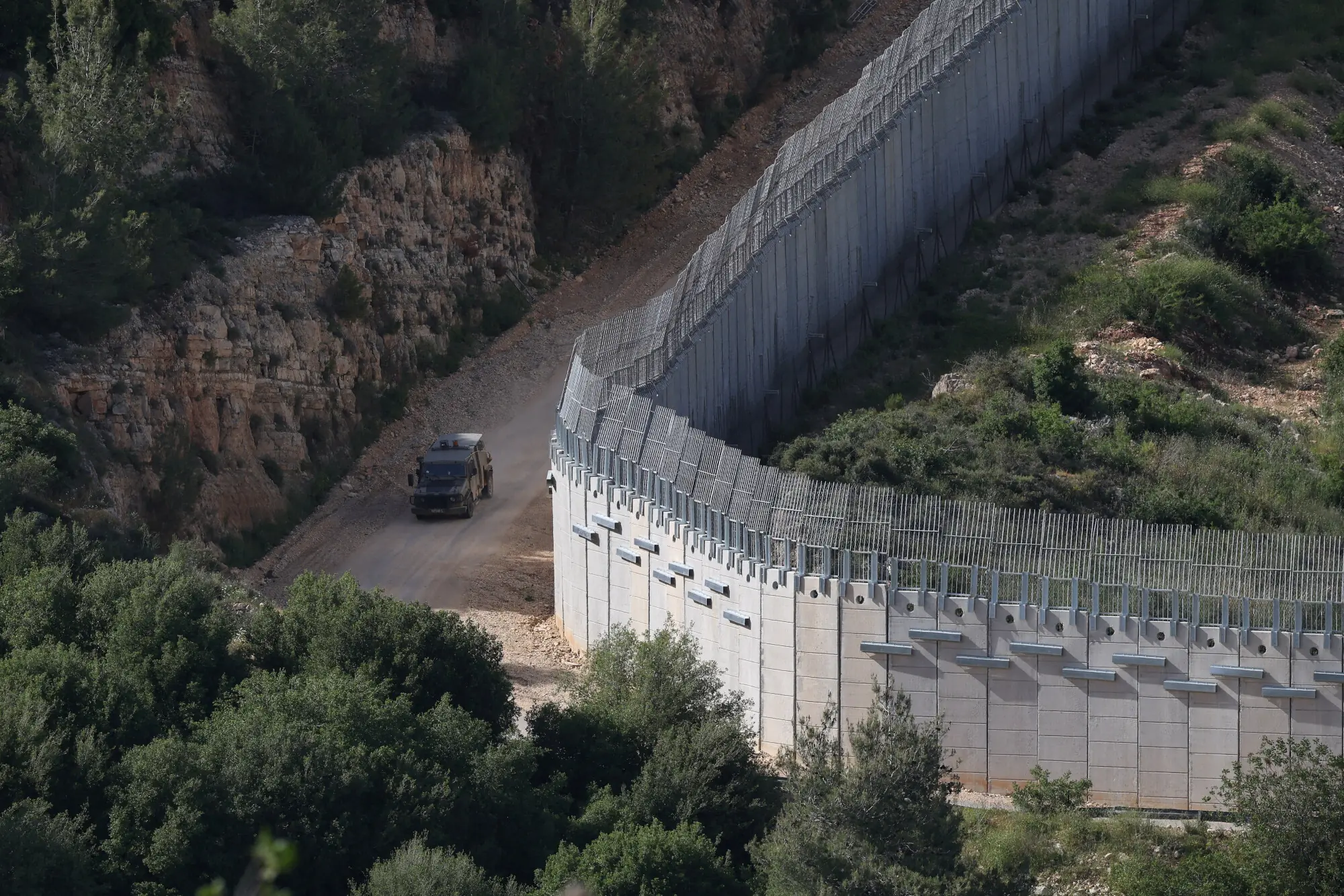
Israel recently ordered residents from several towns and villages in southern Lebanon to evacuate. Officials warned of possible military operations in the area.
The evacuation orders raised concerns that fighting could spread further across the region.
Trump and Xi Discuss Iran Nuclear Threat
During his visit to China, President Trump met Chinese President Xi Jinping. Both leaders discussed Iran’s nuclear programme and regional tensions.
Trump said both countries agreed Iran should not develop nuclear weapons. He also stressed the importance of keeping major trade routes open.
As War Returns to Iran, global leaders continue to watch the situation closely. Military strikes, leadership changes, and ceasefire talks have created uncertainty across the Middle East. While diplomacy remains active, fears of another major regional conflict continue to grow.