













Main Manto Nahi Hoon Fame Fatima Amjed’s Bold Dance at BCW Criticized
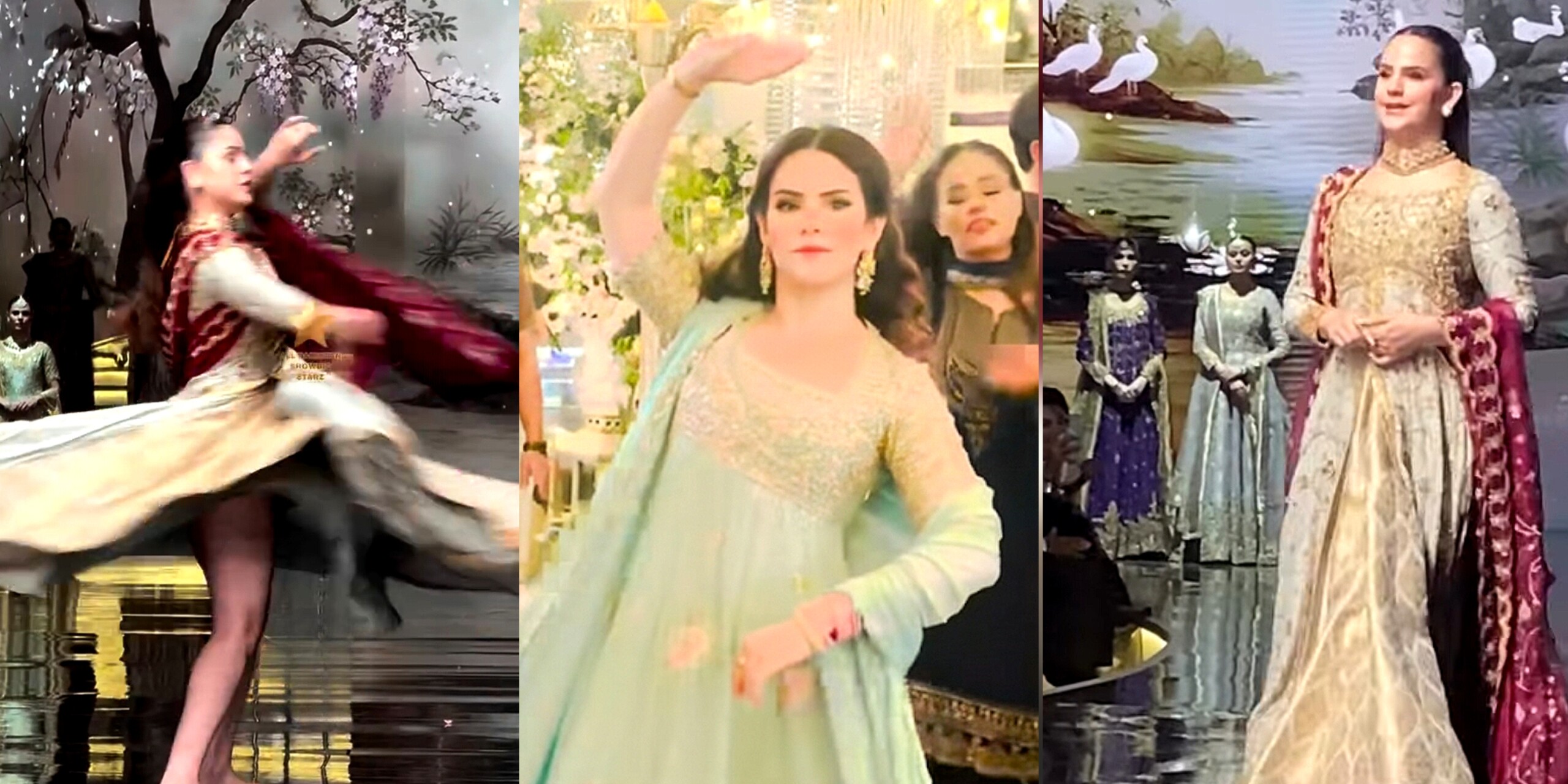
Main Manto Nahi Hoon fame Fatima Amjed’s bold dance at BCW has sparked intense debate across social media. As soon as her performance clips surfaced from Hum Bridal Couture Week 2025, netizens rushed to comment many applauding her confidence, others harshly judging her outfit choice. But why are audiences so quick to criticize, especially when it comes to female celebrities?
The Culture of Instant Judgment on Social Media
Social Media Rewards Outrage
Platforms today thrive on quick reactions. Outrage, criticism, and mockery gain more traction than balanced opinions. In cases like Main Manto Nahi Hoon fame Fatima Amjed’s bold dance at BCW, a few seconds of video are enough for users to form strong opinions without understanding context, choreography, or intent.


Double Standards for Women in Showbiz
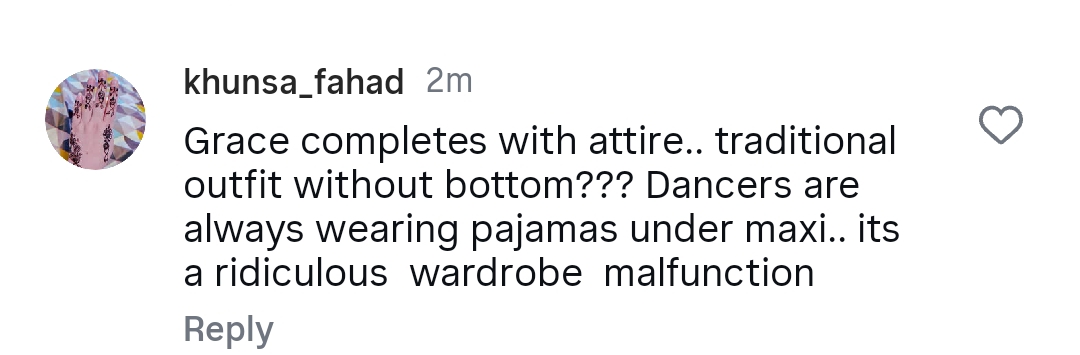
Female celebrities are often judged more harshly than their male counterparts. Dance, fashion, and self-expression especially at fashion weeks are scrutinized through a moral lens. Fatima Amjed, despite being a trained dancer and performer, faced criticism that focused more on clothing than craft.
View this post on Instagram
Art, Fashion, and Misunderstood Expression
Fashion Weeks Are About Experimentation
Bridal couture weeks are platforms for creative freedom. Designers and performers push boundaries to present art in motion. However, when tradition meets modern expression, audiences often react defensively labeling performances as “too bold” instead of viewing them as artistic choices.
The Pressure of Public Image
Celebrities live under constant surveillance. One appearance can overshadow years of hard work, as seen with Main Manto Nahi Hoon fame Fatima Amjed’s bold dance at BCW being reduced to social media criticism rather than professional achievement.
Time for More Thoughtful Conversations
Judging is easy; understanding takes effort. The backlash against Fatima Amjed highlights how quickly netizens jump to conclusions without empathy or context. As viewers, choosing thoughtful dialogue over instant judgment can help create a healthier digital culture one where art is discussed, not attacked.