















Understanding Pimples, Causes, Types & Treatment
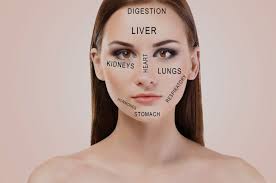
Pimples can be frustrating especially when they keep showing up on your cheeks at the worst times. Understanding pimples: causes, types & treatment is the first step toward clearer, healthier skin. Whether it’s sudden breakouts after the gym or stubborn, painful spots, cheek pimples often signal more than just surface-level issues. Let’s break down what your skin is trying to tell you and how to treat it effectively.
What Causes Cheek Pimples?
External Bacteria & Everyday Habits
Your phone screen, pillowcases, and makeup brushes collect oil and bacteria. When they touch your skin, they transfer impurities that clog pores and trigger breakouts.
Maskne & Skin Irritation
Wearing unwashed masks creates a warm, humid environment that encourages bacteria growth leading to acne flare-ups known as maskne.
Lifestyle & Environmental Factors
Sweat after workouts, pollution, and heat can block pores and irritate the skin, making cheeks a common breakout zone.
Hormonal Changes
Hormonal shifts during periods or pregnancy can increase oil production, contributing to acne across the face including cheeks.
Types of Cheek Pimples
Surface-Level Pimples
Whiteheads and blackheads form when pores get clogged with oil and dead skin.
Inflammatory Acne
Red, swollen pimples often result from bacteria and irritation.
Deep Cystic Acne
Painful, under-the-skin bumps may indicate hormonal imbalance and require professional care.
Effective Treatment & Prevention
Smart Hygiene Habits
- Clean your phone daily
- Change pillowcases 2–3 times weekly
- Wash makeup tools regularly
Skincare That Works
Use gentle, non-comedogenic products. Spot treatments with benzoyl peroxide or salicylic acid can help—but don’t overdo it.
Protect Your Skin Barrier
Avoid harsh products and limit touching your face to reduce irritation and inflammation.
Clear Skin Starts with Awareness
Cheek breakouts aren’t random they’re your skin’s way of reacting to internal and external triggers. By understanding pimples: causes, types & treatment, you can take control of your routine and prevent future flare-ups. Small changes in hygiene, skincare, and lifestyle can lead to a noticeable glow-up.