









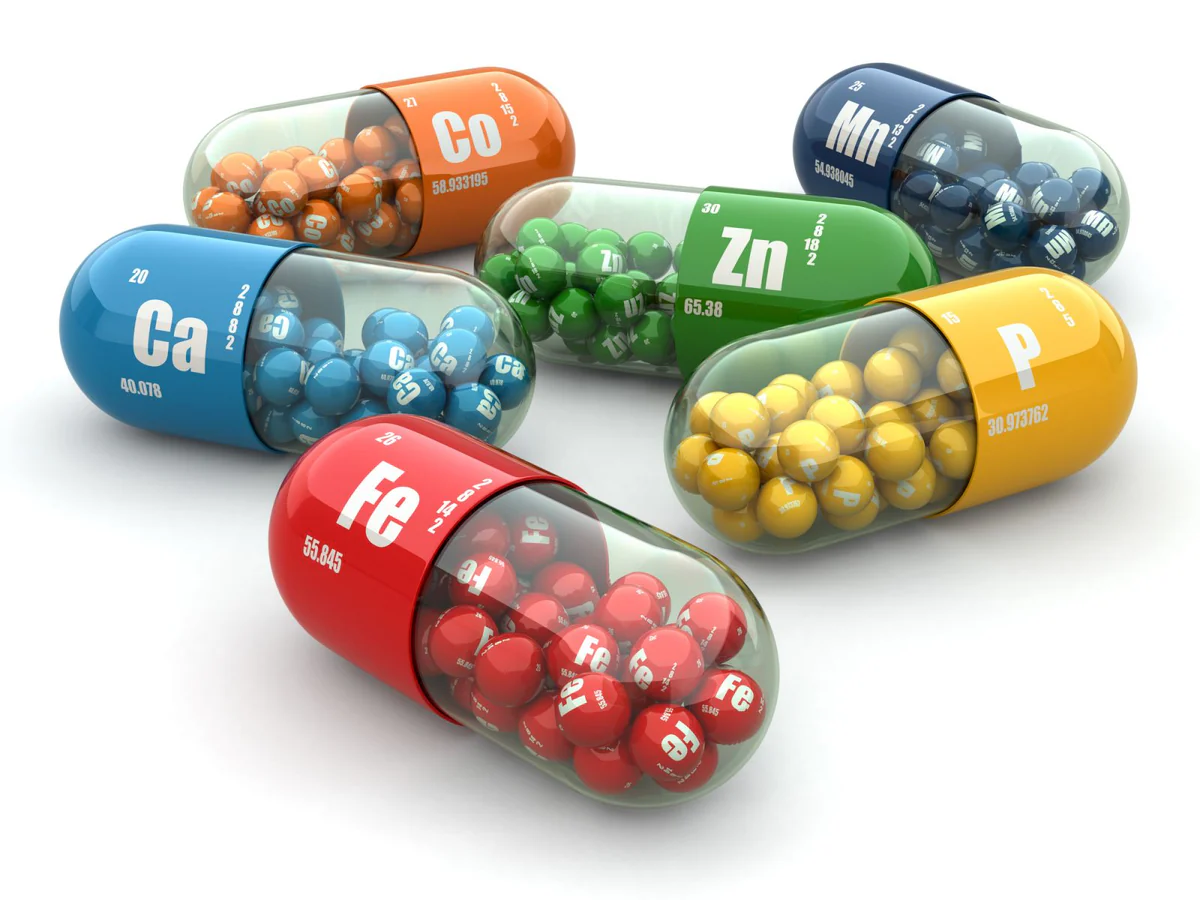
The wellness industry is saturated with products promising optimal health, and Multivitamins for women are often marketed as an essential daily supplement. But with so much conflicting information, it can be difficult to determine whether these supplements are truly necessary. This science-backed guide will explore the evidence behind multivitamin use in women, their specific nutritional needs, and when a supplement might be beneficial, with a focus on options like Vivioptal Women’s Multivitamin available in Pakistan.
The Great Multivitamin Debate
The Growing Trend of Supplementation
In recent years, the use of dietary supplements has skyrocketed. Many women turn to multivitamins as a form of nutritional insurance, hoping to fill any gaps in their diet and boost their overall health. The appeal is understandable: a single pill that promises to cover all your nutritional bases seems like a simple solution in our fast-paced world. But is this daily habit truly making a difference?
Separating Fact from Marketing
It is crucial to look beyond the marketing claims and examine the scientific evidence. While multivitamins can be beneficial for certain individuals, they are not a magic bullet for good health. A healthy diet, regular exercise, and a balanced lifestyle remain the cornerstones of wellness. This guide will help you understand the nuances of multivitamin use so you can make an informed decision about your health.
What Science Says About Multivitamins
Several large-scale studies have investigated the effects of multivitamins on long-term health, and the results may surprise you.
Major Research Findings
Research from esteemed institutions like Johns Hopkins has shown that for the general population, multivitamins do not significantly reduce the risk of heart disease, cancer, or cognitive decline
- In fact, some studies have indicated that high doses of certain vitamins, such as vitamin E and beta-carotene, may even be harmful. This suggests that a “more is better” approach to supplementation is not only ineffective but potentially risky.
Expert Recommendations
Despite these findings, there are specific instances where experts do recommend supplementation. The most notable exception is folic acid for women of childbearing age. The Centers for Disease Control and Prevention (CDC) recommends that all women of reproductive age consume 400 micrograms of folic acid daily to prevent neural tube defects in newborns
- Additionally, iron supplementation may be beneficial for some women to prevent anemia.
Nutritional Needs Specific to Women
Women have unique nutritional needs that change throughout their lives. Understanding these needs is the first step in determining whether a multivitamin is right for you.
Key Nutrients Women Need
Certain nutrients are particularly important for women’s health:
| Nutrient | Why It’s Important for Women | Good Food Sources |
| Iron | Essential for red blood cell production and preventing anemia, which is more common in women due to menstruation. | Red meat, poultry, fish, beans, lentils, spinach |
| Calcium | Crucial for building and maintaining strong bones, reducing the risk of osteoporosis later in life. | Dairy products, leafy greens, fortified cereals |
| Vitamin D | Necessary for calcium absorption and immune function. | Fatty fish, egg yolks, fortified milk, sunlight exposure |
| Folic Acid | Vital for preventing birth defects during pregnancy. | Leafy green vegetables, fruits, nuts, beans, peas |
| Vitamin B12 | Important for nerve function and the formation of red blood cells. | Meat, fish, poultry, eggs, dairy products |
Common Deficiencies in Women
Studies have shown that women are more prone to certain nutrient deficiencies, including iron, vitamin D, calcium, and vitamin B12
- These deficiencies can lead to a range of health issues, from fatigue and weakness to an increased risk of bone fractures.
When Multivitamins Are Beneficial for Women
While not a necessity for everyone, Multivitamins for women can be a valuable tool in certain situations.
Special Circumstances and Life Stages
- Pregnancy and Breastfeeding: During these periods, nutritional needs are significantly increased, and a prenatal multivitamin is almost always recommended.
- Dietary Restrictions: Women who follow vegetarian or vegan diets may need to supplement with nutrients like vitamin B12 and iron.
- Older Adults: As women age, their ability to absorb certain nutrients, like vitamin B12, can decrease. They may also need more vitamin D and calcium to maintain bone health.
- Certain Health Conditions: Medical conditions that affect nutrient absorption, such as celiac disease or inflammatory bowel disease, may necessitate supplementation.
The Role of Vivioptal Women’s Multivitamin
For women who do require a multivitamin, choosing a high-quality, targeted formula is key.
Targeted Formulation for Women’s Health
Vivioptal Women’s Multivitamin is an example of a supplement designed to meet the specific needs of women. It provides a comprehensive blend of vitamins and minerals, including key nutrients like iron, folic acid, and calcium, in a balanced formulation. For those in Pakistan considering their options, exploring products like Vivioptal can be a good starting point. You can find more information about their range of products here: Vivioptal Supplements.
Making the Right Choice for Your Health
Ultimately, the decision to take a multivitamin is a personal one that should be made in consultation with a healthcare professional.
Consulting Healthcare Professionals
Before starting any new supplement, it is essential to speak with your doctor or a registered dietitian. They can assess your individual needs, check for any deficiencies, and recommend a course of action that is safe and appropriate for you. This personalized approach is far more effective than simply grabbing a bottle of Multivitamins for women off the shelf.
Multivitamin Supplements Pakistan Options
In Pakistan, the market for Multivitamin Supplements Pakistan is growing, offering a wide range of choices. It is important to select products from reputable brands that adhere to high-quality manufacturing standards. Reading labels, understanding ingredients, and seeking professional guidance will help you navigate the options and find a supplement that truly supports your health and wellness goals.
In conclusion, while Multivitamins for women are not a universal necessity, they can play a valuable role in supporting the health of certain individuals. By understanding your unique nutritional needs and consulting with a healthcare professional, you can make an informed decision that is right for you.