
















Introduction
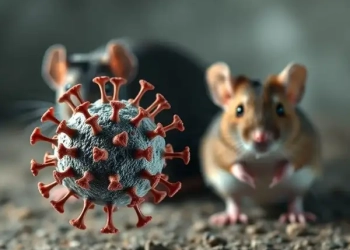
Hantavirus symptoms and prevention have become an important health topic as awareness grows about diseases spread by rodents. Hantavirus is a rare but potentially deadly infection transmitted through contact with infected rodent urine, saliva, or droppings. Although uncommon, the disease can rapidly affect the lungs, heart, and kidneys, making early awareness critical. Understanding hantavirus symptoms and prevention can help families reduce exposure risks and seek medical care before complications become severe.
What Is Hantavirus?
Hantavirus refers to a group of viruses carried mainly by rodents. Humans may become infected when breathing contaminated dust particles or touching contaminated surfaces. In some regions, the infection can lead to Hantavirus Cardiopulmonary Syndrome (HCPS), a dangerous respiratory illness with high fatality rates.
Common Symptoms of Hantavirus
Early signs often resemble flu symptoms, including:
- Fever and chills
- Muscle aches
- Headaches
- Nausea and stomach pain
As the illness worsens, patients may develop coughing, breathing difficulties, and fluid buildup in the lungs. Immediate medical attention is essential in severe cases.
How to Prevent Hantavirus Infection
The best protection is limiting exposure to rodents. Effective prevention steps include:
Keep Living Areas Clean
Seal holes, store food safely, and remove rodent nesting areas.
Use Safe Cleaning Methods
Avoid sweeping dry droppings. Instead, disinfect contaminated spaces before cleaning.
Practice Good Hygiene
Wash hands thoroughly after handling potentially contaminated materials.
Hantavirus may be rare, but its effects can be devastating. Learning about hantavirus symptoms and prevention empowers individuals to stay safe, recognize warning signs early, and reduce the risk of infection through simple daily precautions.