








Rising Oil Supply Concerns
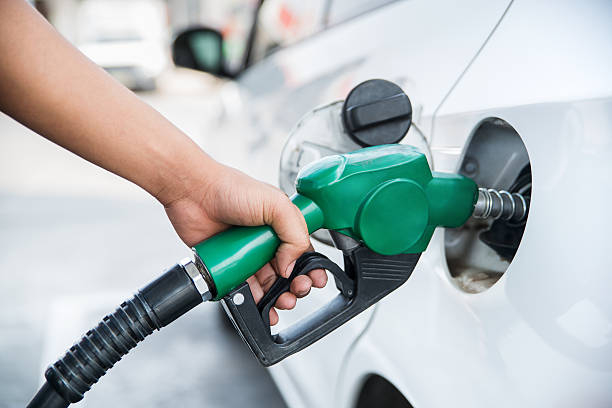
Pakistan is preparing for possible fuel shortages as global tensions threaten oil supply routes. The Pakistan fuel crisis plan includes several steps to reduce fuel use across the country.
Officials are worried about disruptions in the Strait of Hormuz. This waterway carries about 20% of the world’s seaborne oil. A large amount of liquefied natural gas also passes through it. Any disruption there could push oil prices higher and affect supply.
Because of these risks, the government is studying ways to reduce daily fuel consumption.
Work-From-Home and Online Classes Under Review
One major part of the Pakistan fuel crisis plan is remote work. Authorities are considering allowing employees to work from home two days a week. Offices may also operate with fewer staff on some days.
Possible Online Classes
Education officials are also reviewing online classes. Schools and universities may shift to digital learning for part of March. This step would reduce daily travel for millions of students and teachers.
Ride-Sharing and Transport Changes
The government is also looking at ride-sharing programs. These plans could help cut fuel use by reducing the number of vehicles on the road.
Pakistan’s Current Fuel Reserves
Finance Minister Muhammad Aurangzeb shared the latest fuel reserve figures with lawmakers. Pakistan currently has about 28 days of petrol and diesel reserves. The country also has around 10 days of crude oil and 15 days of LPG supplies.
While these reserves provide short-term support, officials want to prepare for possible global supply shocks.
Fuel Price Monitoring Plan
Authorities are also considering weekly fuel price adjustments. This system could prevent panic buying if global oil prices rise quickly. It may also discourage hoarding.
The Pakistan fuel crisis plan shows the government is preparing early for possible supply problems. Measures like work-from-home policies, online classes, and ride-sharing could help save fuel. These steps may also reduce pressure on national reserves if global oil markets become unstable.