














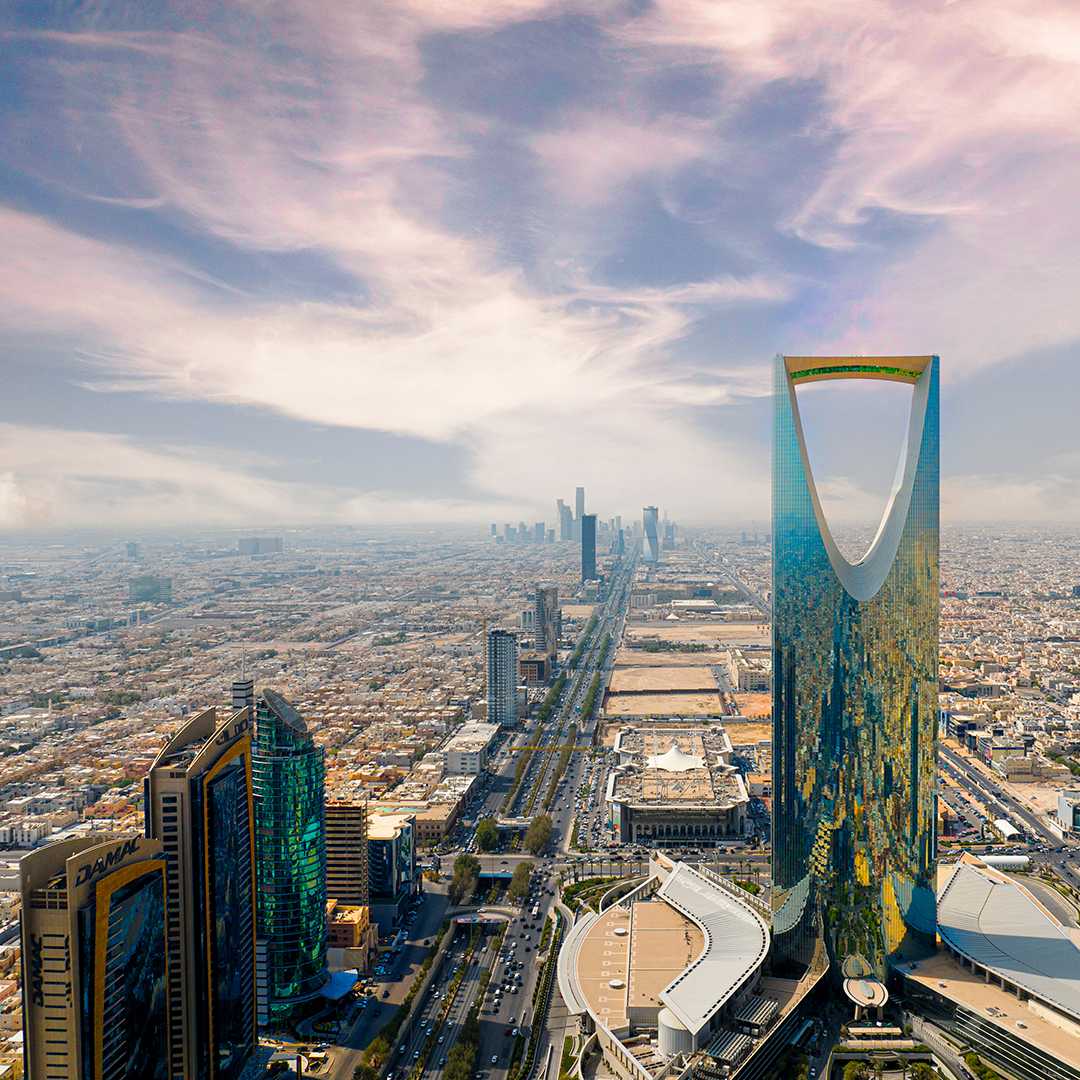
Saudi Arabia has made a historic decision. The Kingdom has ended the Kafala system. This sponsorship system was in place for over 50 years. Its end marks a massive shift for migrant workers.
The reform grants unprecedented freedoms to foreign workers. This change impacts over 13 million people in Saudi Arabia.
What Was the Kafala System?
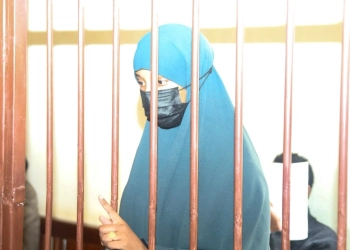
The Kafala system was a sponsorship program. It tied a migrant worker’s legal status to their employer. This control was often absolute. Workers needed their employer’s permission for basic rights. They needed consent to change jobs. They also needed approval to leave the country. This often led to exploitation and abuse.
What Are The New Reforms?
The new Labor Reform Initiative (LRI) changes everything. It removes the power of employers over key worker rights. Workers now have the freedom to change jobs. They can transfer their sponsorship at the end of a contract. They can also leave the country for vacation without employer permission. Re-entry permits are no longer needed from the sponsor. These changes apply to all private-sector workers.
Massive Impact on Indian Migrant Workers
This reform is especially significant for India. Lakhs of Indian migrants work in Saudi Arabia. They form a large part of the foreign workforce. Now they have the same new rights and freedoms. Moreso they can seek better jobs without restriction. They can travel home to their families without hassle. This empowers millions of Indian workers abroad.
Why Did Saudi Arabia Make This Change?
Saudi Arabia is transforming its economy. The “Vision 2030” plan is a key driver. The Kingdom aims to reduce its dependence on oil. Creating a more flexible and attractive labor market is crucial. These reforms aim to boost productivity. They also help attract skilled global talent.
A Landmark Moment for Labor Rights
The end of the Kafala system is a landmark moment. It is one of the biggest labor reforms in the world this decade. It promises a more dignified life for millions. The move signals Saudi Arabia’s commitment to modernization. It is a new chapter for migrant workers in the Gulf.