














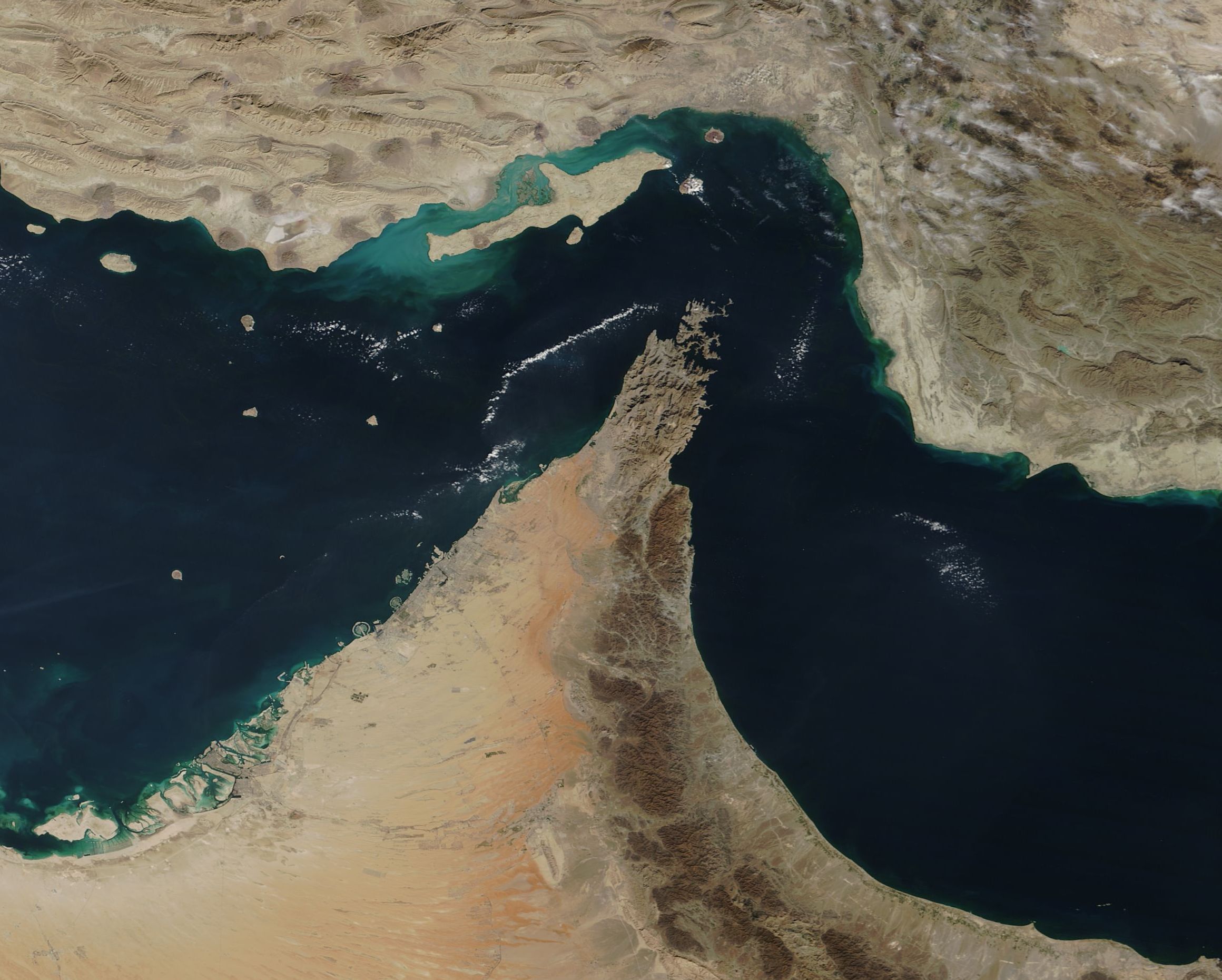
Tehran has re-closed the Strait of Hormuz just hours after reopening it, citing the ongoing US naval blockade of Iranian ports. The dramatic reversal escalates uncertainty for global oil markets. It followed a public dispute between Iranian officials and US President Donald Trump over the waterway’s status.
Here is what you need to know about the rapidly developing US-Iran crisis.
Strait of Hormuz situation changed at lightning speed.
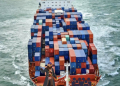
First, Iranian officials announced the strait was open to commercial traffic. They allowed a convoy of eight tankers to pass through during a ceasefire period. Then, President Trump declared the waterway “completely open and ready for business” on social media. However, Tehran quickly pushed back. Iranian Parliamentary Speaker Mohammad-Bagher Ghalibaf wrote on X that the strait’s status is determined “on the ground, not by social media”.
Why Iran Moved to Close the Strait
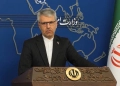
Iranian officials cited the continued US naval blockade as the direct cause of the re-closure. Iran’s Foreign Ministry spokesman called the blockade a “violation of the ceasefire.” He warned it would “definitely be met with an appropriate response”.
The Current Situation on the Water
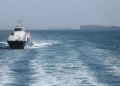
The military tension on the water is high. Iran has placed the strait under the “strict management and supervision” of its armed forces . Meanwhile, the US maintains a massive presence. Over 10,000 American troops and 16 warships are enforcing the blockade . The US military reports that over 20 ships have already turned around rather than challenge the blockade.
For now, the Strait of Hormuz is effectively close. Both military forces remain in place. One thing is clear: the world’s most critical oil chokepoint is a battlefield of words and warships. Expect continued volatility in global energy markets.
More Links!
Crude Oil Prices Crash Nearly 10% to $84 as Iran Opens Strait of Hormuz
Trump Visit to Pakistan: Finalizing the Iran Peace Deal?