















The Congo Virus- New health risk for Pakistan
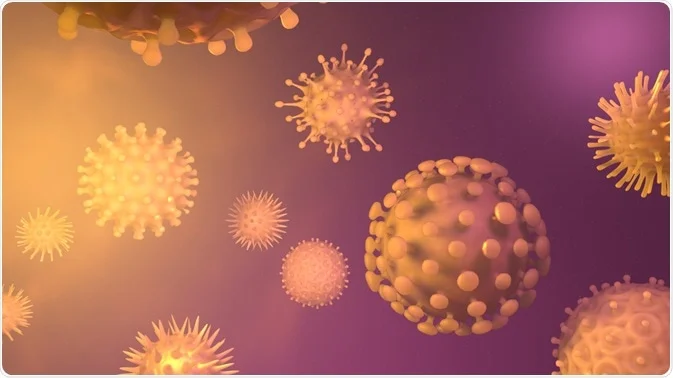
The Congo virus, or Crimean-Congo haemorrhagic fever (CCHF) virus, is a viral infection that poses a significant health risk in certain regions, including Pakistan.
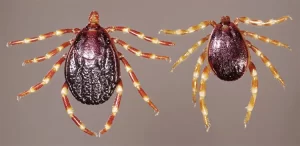
It is primarily transmitted through tick bites or contact with infected animal blood or tissue. In recent years, Pakistan has witnessed several cases of this virus, leading to concerns among the population.
In Pakistan, the Congo virus has caused significant health issues, particularly in the province of Baluchistan. One unfortunate incident involved the death of a young doctor in Quetta due to the virus.
The high alert issued in medical centers across Baluchistan highlights the severity of the situation. According to reports, the virus has claimed the lives of 17 individuals in the province this year alone.
Shockingly, 16 healthcare professionals, including doctors, have also been infected with the virus. This highlights the vulnerability of those working on the frontlines of healthcare.
Effects of Congo Virus
The Congo virus can have severe effects on the human body. Once infected, individuals may experience symptoms such as high fever, headache, vomiting, diarrhea, body pain, and a stiff neck.
In some cases, the virus can progress to more serious complications, including internal bleeding, organ failure, and even death.
The rapid onset of symptoms and the potential for severe outcomes make it crucial to address this virus promptly.
Preventive Measure
To protect yourself and your loved ones from the Congo virus, it’s essential to take preventive measures. Here are some key steps to consider:
- Tick Bite Prevention: Avoid areas with high tick populations, such as grassy fields and forests. Wear long sleeves, pants, and closed-toe shoes when venturing into tick-prone areas. Use insect repellents containing DEET on exposed skin and treat clothing with permethrin.
- Animal Safety: Minimize contact with animals, especially livestock and wild animals, as they can carry the virus. If you work with animals , make sure to wear protective gloves and clothing to prevent direct contact with blood or tissues.
- Hygiene Practices: Practice good hygiene by washing your hands regularly with soap and water, especially after handling animals or coming into contact with potentially contaminated surfaces. Avoid touching your face, mouth, or eyes without washing your hands first.
- Tick Removal: If you find a tick attached to your skin, use fine-tipped tweezers to grasp it as close to the skin’s surface as possible. Pull upward with steady, even pressure to remove the tick. Clean the bite area and your hands with rubbing alcohol or soap and water.
- Seek Medical Attention: If you experience symptoms such as high fever, headache, vomiting, or body pain, seek medical attention immediately. Inform healthcare professionals about your potential exposure to the Congo virus for prompt diagnosis and appropriate treatment.
Conclusion:
The Congo virus poses a significant health threat in certain regions, including Pakistan.
By understanding the previous cases, effects, and preventive measures, we can work together to combat this virus.
Stay informed, take necessary precautions, and seek medical help if needed.











Discussion about this post