
















Early satiety, the sensation of feeling full soon after beginning a meal, can disrupt one’s relationship with food and impact overall well-being. As individuals strive to maintain balanced diets and healthy lifestyles, early satiety emerges as a perplexing hurdle that demands understanding and effective strategies for management. In this exploration, we delve into the intricacies of early satiety, unravel its potential causes, and offer practical approaches to combat this challenging phenomenon. The condition is often described as the premature feeling of fullness or inability to consume a normal-sized meal and poses a significant obstacle to individuals seeking nourishment and satisfaction from their dietary intake. While occasional bouts of early satiety may result from overeating or rapid consumption, persistent occurrences can signify underlying health concerns that warrant attention and intervention.

Several factors contribute to the onset of early satiety, ranging from physiological to psychological influences:
GASTROINTESTINAL DISORDERS: Conditions such as gastroesophageal reflux disease (GERD), peptic ulcers, gastroparesis, and irritable bowel syndrome (IBS) can disrupt the normal functioning of the digestive system, leading to feelings of fullness and discomfort shortly after eating.
MEDICAL TREATMENTS: Certain medications, including those prescribed for diabetes, hypertension, and depression, may suppress appetite or induce gastrointestinal side effects that contribute to early satiety.
PSYCHOLOGICAL FACTORS: Stress, anxiety, and depression can impact appetite regulation and alter eating behaviors, potentially leading to early satiety and disordered eating patterns.
DIETARY CHOICES: Consuming meals high in fiber, fat, or volume may promote feelings of fullness, while inadequate hydration can exacerbate symptoms of early satiety.
COMBATING EARLY SATIETY: Strategies for Relief
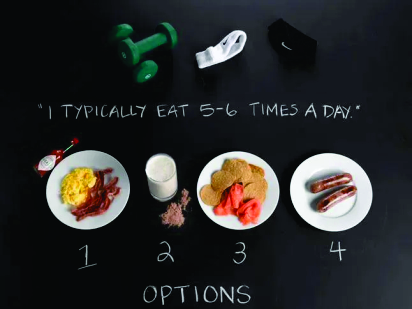
Addressing early satiety requires a multifaceted approach that targets underlying causes and promotes mindful eating habits. Consultation with a healthcare professional is paramount for individuals experiencing persistent early satiety. Comprehensive evaluation and diagnostic testing can help identify underlying medical conditions and guide appropriate treatment interventions. Opt for smaller, more frequent meals throughout the day to alleviate feelings of fullness and facilitate optimal digestion. Focus on nutrient-dense foods that provide sustained energy and minimize gastrointestinal distress. Prioritize adequate hydration by consuming water and hydrating foods throughout the day. Opt for beverages low in sugar and caffeine to support optimal digestive function and promote feelings of satiety. Practice mindful eating by savoring each bite, chewing slowly, and paying attention to hunger and fullness cues. Mind-body techniques such as deep breathing and relaxation exercises can enhance digestion and alleviate symptoms of early satiety. Incorporate regular physical activity into your routine to support digestive health and enhance appetite regulation. Engage in activities such as walking, yoga, or gentle stretching to stimulate gastrointestinal motility and promote overall well-being. Navigating early satiety requires patience, perseverance, and a commitment to self-care. By embracing a balanced approach that addresses both physical and emotional aspects of health, individuals can reclaim control over their relationship with food and experience renewed vitality and enjoyment in eating. As we unravel the complexities of early satiety and empower individuals to explore personalized strategies for relief, we foster a culture of holistic wellness that celebrates the profound connection between nourishment, vitality, and fulfillment.