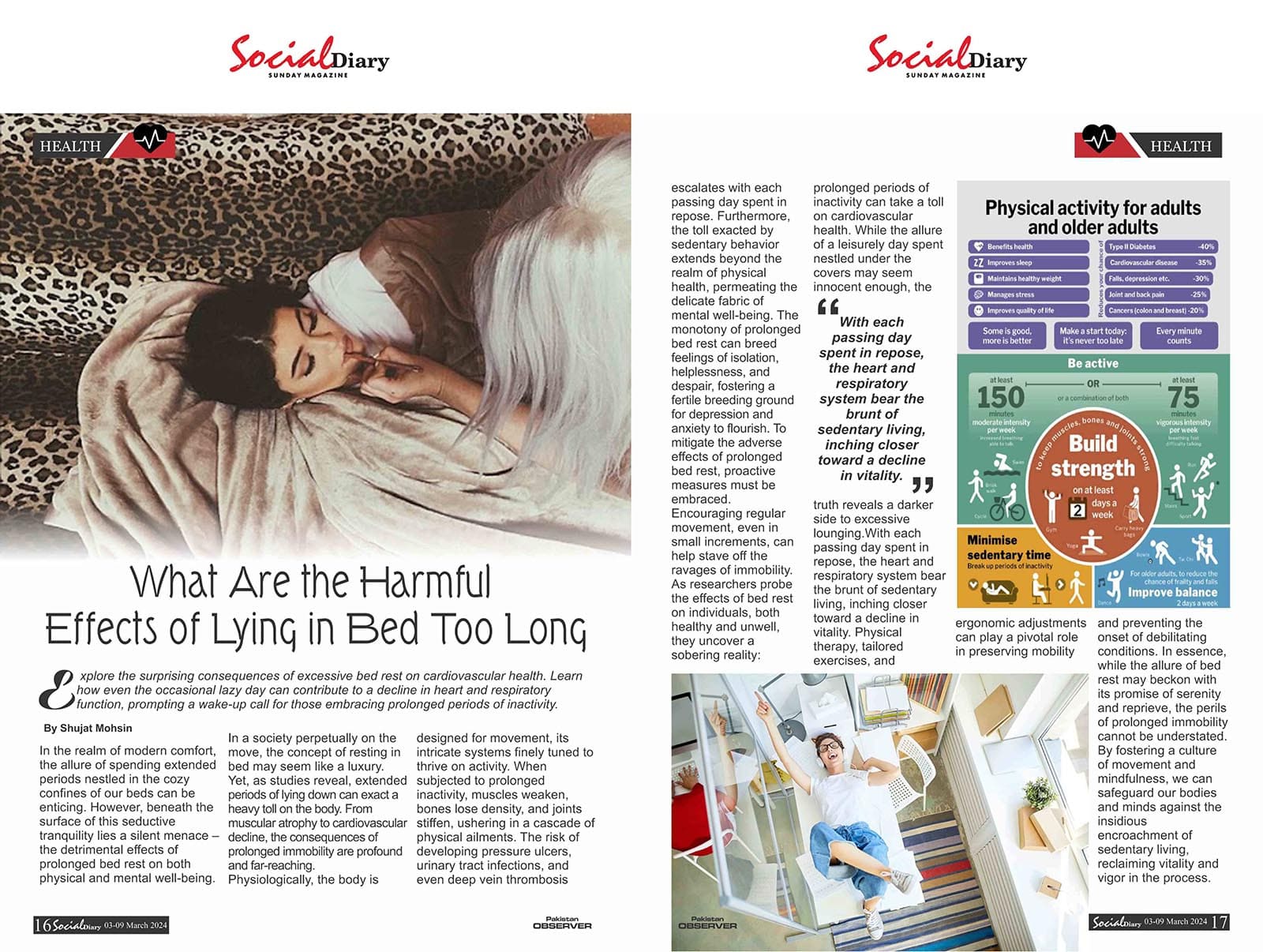















Explore the surprising consequences of excessive bed rest on cardiovascular health. Learn how even the occasional lazy day can contribute to a decline in heart and respiratory function, prompting a wake-up call for those embracing prolonged periods of inactivity.  In the realm of modern comfort, the allure of spending extended periods nestled in the cozy confines of our beds can be enticing. However, beneath the surface of this seductive tranquility lies a silent menace – the detrimental effects of prolonged bed rest on both physical and mental well-being. In a society perpetually on the move, the concept of resting in bed may seem like a luxury. Yet, as studies reveal, extended periods of lying down can exact a heavy toll on the body. From muscular atrophy to cardiovascular decline, the consequences of prolonged immobility are profound and far-reaching.

Physiologically, the body is designed for movement, its intricate systems finely tuned to thrive on activity. When subjected to prolonged inactivity, muscles weaken, bones lose density, and joints stiffen, ushering in a cascade of physical ailments. The risk of developing pressure ulcers, urinary tract infections, and even deep vein thrombosis escalates with each passing day spent in repose. Furthermore, the toll exacted by sedentary behavior extends beyond the realm of physical health, permeating the delicate fabric of mental well-being. The monotony of prolonged bed rest can breed feelings of isolation, helplessness, and despair, fostering a fertile breeding ground for depression and anxiety to flourish.  To mitigate the adverse effects of prolonged bed rest, proactive measures must be embraced. Encouraging regular movement, even in small increments, can help stave off the ravages of immobility. As researchers probe the effects of bed rest on individuals, both healthy and unwell, they uncover a sobering reality: prolonged periods of inactivity can take a toll on cardiovascular health. While the allure of a leisurely day spent nestled under the covers may seem innocent enough, the truth reveals a darker side to excessive lounging.With each passing day spent in repose, the heart and respiratory system bear the brunt of sedentary living, inching closer toward a decline in vitality.
 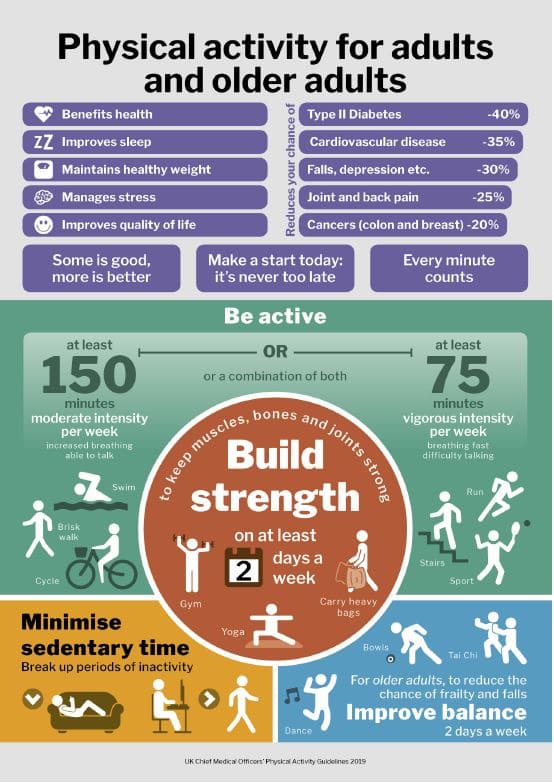 Physical therapy, tailored exercises, and ergonomic adjustments can play a pivotal role in preserving mobility and preventing the onset of debilitating conditions. In essence, while the allure of bed rest may beckon with its promise of serenity and reprieve, the perils of prolonged immobility cannot be understated. By fostering a culture of movement and mindfulness, we can safeguard our bodies and minds against the insidious encroachment of sedentary living, reclaiming vitality and vigor in the process.