
















In today’s fast-moving digital landscape, viral content is a daily occurrence—sometimes a trend, sometimes a turning point. But when something spreads online at lightning speed, it can spark deeper conversations, especially around privacy, consent, and digital responsibility.
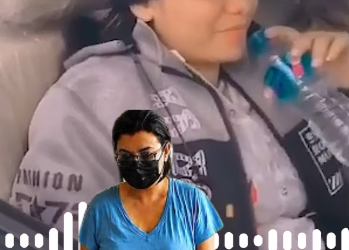
Recently, a video featuring social media creator Archita Phukan gained massive traction online. Branded as “Babydoll Archi,” she became an overnight sensation. But with that visibility came online harassment, offensive comments, and threats to her privacy—revealing how fragile our sense of social safety can be in the digital age.
Virality Is Not Always a Win
Viral fame isn’t always voluntary—or safe. In many cases, content is circulated without context or consent, inviting millions of strangers into someone’s private life. For Archita, a fashion reel led to unexpected exposure that crossed ethical boundaries, triggering cyberbullying and emotional distress.
Are We Acting Responsibly in a Digital Society?
This situation compels us to ask:
Are we respecting others’ privacy online?
Are we sure the content we share was uploaded with full consent?
And most importantly—are we contributing to someone’s harm without realizing it?
Redefining “Social Security” in the Digital Era
Traditionally, social security relates to finance and identity protection. But today, it also means digital safety, emotional well-being, and respect for consent. Viral videos don’t just generate views—they can disrupt lives, families, and mental health.
Laws Alone Aren’t Enough—Users Must Act Too
Social platforms like YouTube, Instagram, and TikTok have tools for reporting abuse. But when do we actually use them? After irreversible damage has been done?
While cyber laws exist in countries like Pakistan, India, and beyond, real change happens when users act with empathy and responsibility.
Final Reflection
The Archita Phukan case is more than a single incident—it’s a mirror to our society’s digital maturity. In chasing views and fame, are we forgetting the cost someone else may be paying?
It’s time we put ethics, awareness, and accountability at the heart of our online actions.
What You Can Do
Think before you share—Was it posted with consent?
Report privacy violations, don’t ignore them
Use your platform to protect, not exploit