













Jawad Ahmed Calls Late Junaid Jamshed’s Music Exit “Contradictory”
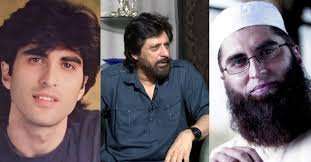
In a recent interview with RNN News, Pakistani singer and politician Jawad Ahmed shared strong views about the late Junaid Jamshed, a former pop icon who left the music industry to follow a religious path.
Jawad Ahmed, known for hit songs like Mehndi, Bin Tere, and Uchia Majajan Wali, expressed his discomfort with how Junaid Jamshed distanced himself from music after building his career through it. Speaking to host Maryam Imam, Jawad remarked, “Junaid Jamshed’s Dil Dil Pakistan made him a national icon. He earned crores through music, and if released today, that song would have generated billions.”
He went on to criticize the late Junaid Jamshed’s public declaration that music is haram (forbidden in Islam). “After earning wealth and fame, he left music, joined the Tableeghi Jamaat, and then urged others to leave music too. How can that be justified?” Jawad questioned.
Music and Religion: A Deep Divide
According to Jawad Ahmed, a producer once asked the late Junaid Jamshed how he could label music as haram after earning his livelihood from it. Reportedly, Junaid replied he had taken a fatwa declaring that after repentance, his past earnings were now halal. Jawad criticized this stance, saying, “Religion should remain a personal matter. In Pakistan, it’s already difficult to pursue music with dignity.”
Jawad Ahmed’s comments have ignited debate on the role of music, faith, and personal belief in Pakistan’s culture.