















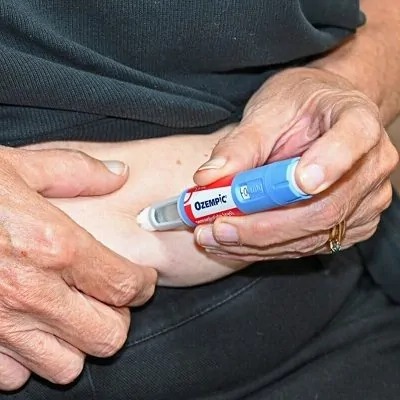
What Is Ozempic?
Ozempic, also known as semaglutide, is a prescription drug used to treat type 2 diabetes. It helps control blood sugar, supports insulin activity, and lowers the risk of heart-related problems. One of its additional effects is appetite suppression, which can result in weight loss.
Because of this effect, many people without diabetes have started using it to lose weight. However, this is not what the drug was made for—and the risks are serious.
Who Should Use Ozempic?
Doctors prescribe Ozempic to people who have:
- Type 2 diabetes
- High cardiovascular risk
- Trouble managing blood sugar with diet and exercise alone
Only a licensed medical professional should decide whether someone needs this drug. Taking it without medical advice can lead to health problems, especially for those using it just to slim down.
What Are the Side Effects of Ozempic?
While Ozempic can help diabetic patients, it also comes with several side effects.
Common side effects:
- Nausea
- Vomiting
- Diarrhea
- Constipation
- Stomach pain
Serious side effects:
- Inflammation of the pancreas
- Kidney issues
- Gallbladder disease
- Possible thyroid tumors (in animal studies)
- NAION (Non-Arteritic Anterior Ischemic Optic Neuropathy) – sudden and permanent vision loss
These risks become worse when people use Ozempic without a real medical need.
The Danger of Blindness: Ozempic and NAION
Global research, including from the American Academy of Ophthalmology, now links Ozempic to NAION. This condition happens when the blood supply to the optic nerve drops. As a result, a person may suffer sudden and irreversible blindness.
In Pakistan, doctors have already started reporting NAION cases in people who used Ozempic for weight loss. These individuals often had no idea they were putting their eyesight at risk.
The Ozempic Trend in Pakistan
Over the past two years, Ozempic has become a popular weight loss tool in Pakistan. Influencers, celebrities, and TV personalities have promoted it as a “miracle solution.” As demand grew, many pharmacies started selling it freely—even without prescriptions.
As a result:
- Diabetic patients face shortages
- Healthy individuals use the drug without understanding the risks
- Cases of severe side effects are rising
Instead of focusing on healthier ways to manage weight, many people have turned to this shortcut.
Why Regulation Is Needed Urgently
Pakistan is now facing a growing public health concern. Misusing Ozempic puts both diabetics and non-diabetics at risk.
To solve this, experts recommend:
- Banning sales without prescriptions
- Launching awareness campaigns
- Training pharmacists to monitor misuse
- Educating the public about healthier lifestyle choices
Without these steps, more people will continue to suffer from avoidable side effects.
A Shortcut With Serious Costs
Ozempic is a useful drug for those who genuinely need it. However, using it for fast weight loss is both risky and irresponsible. People are trading short-term results for long-term health problems—including blindness.
Instead of chasing instant solutions, it’s time for a better approach. Healthy living takes effort, but it doesn’t cost your vision.