













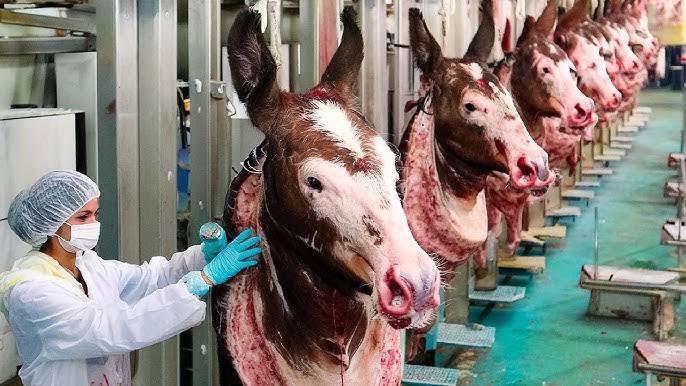
In a groundbreaking move that underscores the growing economic ties between Pakistan and China. Pakistan has launched its first donkey meatpacking plant in the strategic port city of Gwadar. The facility aims to cater to China’s surging demand for donkey meat, bones, and hides. Which are key ingredients in the production of *e-jiao*, a traditional Chinese medicine. This development not only highlights the deepening China-Pakistan Economic Corridor (CPEC) partnership. But also opens up new economic opportunities for Pakistan.
The Rise of Donkey meat due to E-jiao!
E-jiao, a gelatinous substance derived from donkey hides. It has been used in traditional Chinese medicine for centuries. It is believed to improve blood circulation, boost energy, and promote overall health. With China’s middle class expanding and health consciousness on the rise. The demand for e-jiao has skyrocketed. However, China’s domestic donkey population has declined significantly. From dropping from 11 million in the 1990s to just 2 million today. This shortage has forced China to look abroad for donkey supplies, creating a lucrative market for countries like Pakistan.
Gwadar’s Donkey Meatpacking Plant: A Strategic Move
The newly launched donkey meatpacking plant in Gwadar is a strategic initiative under the CPEC framework. Which aims to enhance economic cooperation between China and Pakistan. Located in the heart of Gwadar, a key hub for CPEC projects. The plant is expected to process thousands of donkeys annually, exporting meat, bones, and hides to China.
The plant is not just a business venture. It’s a symbol of the growing economic interdependence between the two nations. For Pakistan, this represents an opportunity to tap into a niche market, create jobs, and boost exports. For China, it ensures a steady supply of raw materials for its thriving e-jiao industry.
Economic Opportunities for Pakistan!
The establishment of the donkey meatpacking plant has significant economic implications for Pakistan:
1. Job Creation: The plant is expected to generate hundreds of jobs, from animal husbandry and logistics to processing and export.
2. Export Revenue: With China’s insatiable demand for donkey products, Pakistan stands to earn millions in export revenue.
3. Rural Development: The plant will encourage donkey farming in rural areas, providing farmers with a new source of income.
4. Strengthening CPEC: The project reinforces the CPEC partnership, showcasing how niche industries can benefit both countries.
Challenges and Controversies
While the project presents economic opportunities, it is not without challenges and controversies:
1. Animal Welfare Concerns: The mass slaughter of donkeys has raised concerns among animal rights activists. Who argue that the industry could lead to overexploitation and cruelty.
2. Environmental Impact: Large-scale donkey farming and processing could have environmental consequences. Including deforestation and water usage