












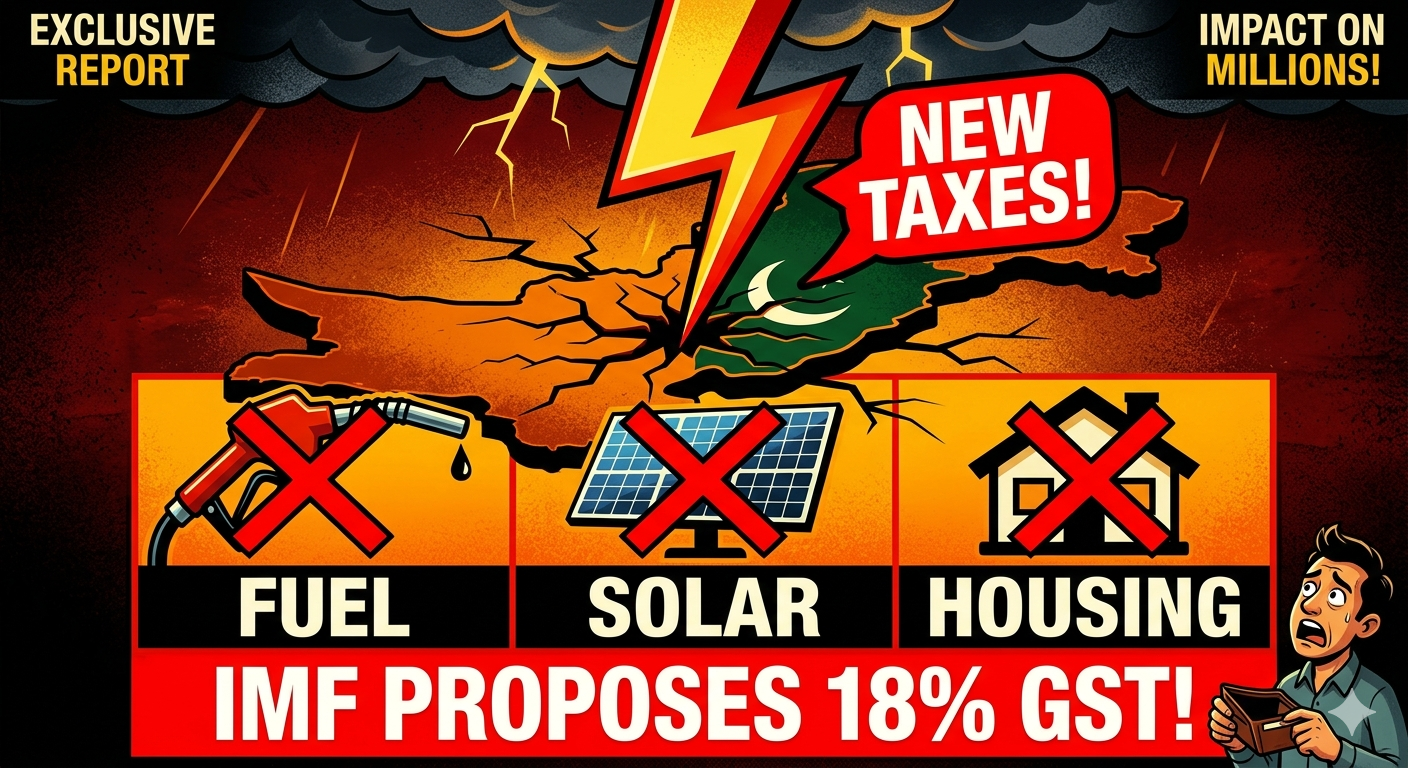
Pakistan may face new taxes as the International Monetary Fund (IMF) pushes for major fiscal reforms ahead of the upcoming budget. The proposal to impose 18% GST on fuel, petroleum, solar energy, and housing has sparked widespread concern among citizens and businesses. As Pakistan may face new taxes to bridge its revenue gap, these measures could significantly impact everyday costs and economic activity.
Why Pakistan May Face New Taxes
Pakistan is currently under mounting fiscal pressure due to a large tax shortfall and rising expenditures. The IMF has urged the government to expand the tax net and generate an additional Rs. 1.62 trillion in revenue.
18% GST on Fuel and Petroleum
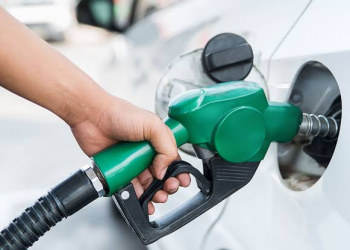
One of the most notable proposals is ending the exemption on petroleum products. If implemented, an 18% GST on fuel and petrol would likely increase transportation and commodity prices nationwide.
Tax on Solar Energy
The IMF has also recommended applying GST to solar panels. This could slow down Pakistan’s shift toward renewable energy, making solar installations more expensive for households.
Housing Sector Reforms
Another key recommendation is removing tax exemptions on new housing construction, potentially raising property costs and affecting the real estate sector.
As Pakistan may face new taxes under IMF-backed reforms, the government must balance revenue generation with public affordability. These decisions will shape the country’s economic direction and directly affect millions of citizens.