








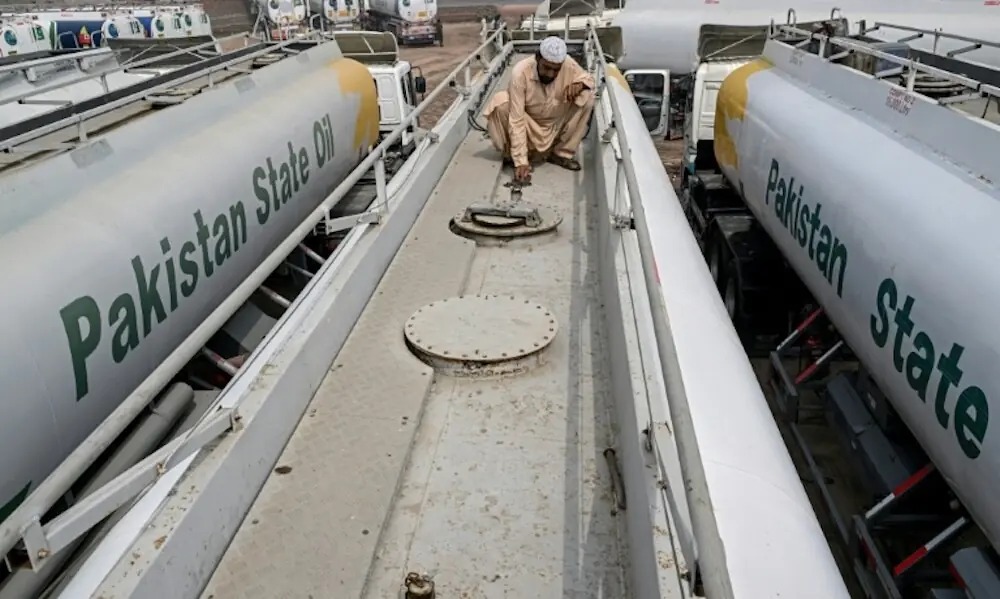
As the Middle East conflict escalates, Pakistan faces a tough decision: protect consumers from soaring fuel prices or maintain fiscal discipline under IMF commitments. Disruptions in the Strait of Hormuz have blocked millions of barrels of crude oil daily, driving global prices to unprecedented highs. Pakistanis are already feeling the pinch, with petrol and diesel prices surging by Rs55 per litre, impacting transport, food, and everyday essentials.
Government Measures and Public Backlash
To manage the crisis, Pakistan introduced emergency fuel conservation steps, including a four-day workweek for government staff and partial school closures. Despite these measures, public criticism has intensified, with concerns that the government’s pricing adjustments disproportionately benefit oil companies rather than consumers. Experts argue that shorter price revision cycles were necessary to align domestic rates with rising international costs, preventing hoarding and shortages.
The Road Ahead
With the Strait of Hormuz effectively blocked and Middle East refineries cutting output, Pakistan faces continued volatility in fuel prices. Authorities must balance consumer protection with revenue needs, navigating an uncertain global oil market that could see prices spike further. Strategic use of the petroleum levy and careful pricing policies may offer relief, but only time will tell if Pakistan can shield its citizens without destabilizing its economy.