














Vloggers sharing pregnancy news is common. Fans usually celebrate these moments. But a new controversy is growing. Many people now accuse family vloggers of exploiting their children. The line between sharing joy and creating content is blurring.
Recent events in the Pakistani vlogging community have sparked this debate. The conversation is intense.
The Recent Baby News of Iqra Kanwal and Rajab Butt Started a Debate!
Two popular vlogging channels recently shared big news.
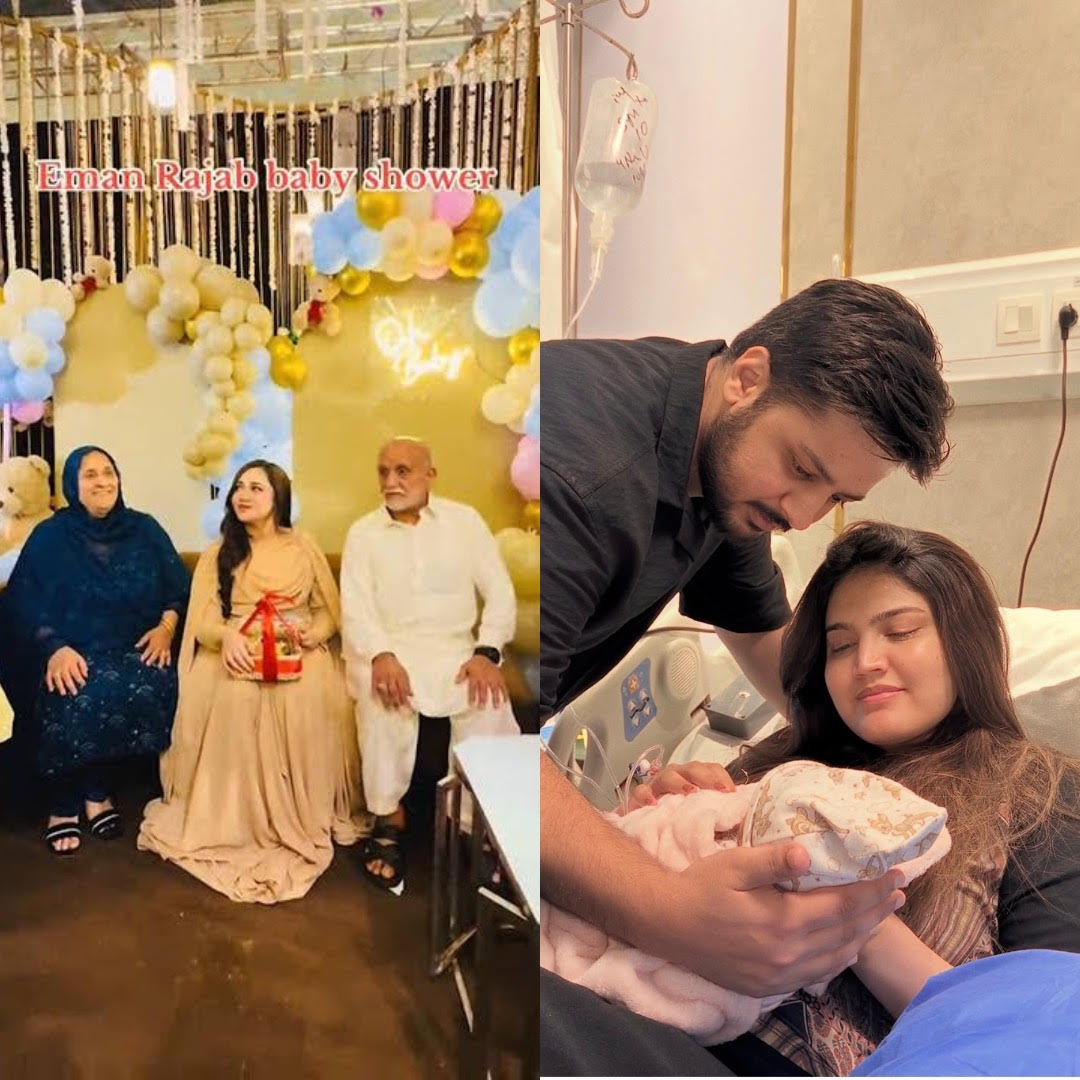
Rajab Butt and Wife Iman: The couple held an elaborate baby shower. They shared the event on their YouTube channel. The video was filled with celebrations and gifts.
Iqra Kanwal from Sisterology: Iqra announced the birth of her baby girl. She posted the happy news on her social media. Her followers saw the first pictures of the newborn.
These should be purely happy events. Instead, they ignited a critical discussion online.
The Criticism: “They Are Birthing Content”
Hundreds of social media comments express a common fear. Many users believe these children are born into a life of content creation.
Comments on these posts are revealing. They include statements like:
- “Another content baby is born.”
- “The baby hasn’t even opened her eyes and she’s already working.”
- “This child is their new source of income.”
- “They are selling their children in the name of content.”
The audience is becoming more aware. They question the parents’ motives. The concern is for the child’s privacy and safety.
Why Are People So Concerned?
The backlash stems from genuine worries.
Loss of Privacy: A child cannot consent to being online. Their most vulnerable moments become public. This creates a permanent digital footprint.
Exploitation for Profit: Family vlogging is a lucrative business. Videos featuring children often get more views. Critics argue parents profit directly from their children’s lives.
Safety Risks: Sharing a child’s location, routine, and life can pose safety dangers. It opens the door to potential predators and online harassment.
Emotional Impact: The long-term effect on the child is unknown. Growing up on camera can create immense pressure. It may lead to mental health issues later in life.
The Other Side: Sharing Joy vs. Exploitation
Many vloggers defend their choice. They see it as sharing a beautiful life moment with their audience.
They argue their channel is a digital family diary. Followers have watched their journey. They want to include them in their happiness. For them, it is a natural part of their life and career. They believe they can balance sharing with protecting their child.
The Core Question: Where Do We Draw the Line? This debate has no easy answer. The central question remains. When does sharing become exploitation? Is it possible to be a parent and a content creator ethically?
Audiences are now demanding more responsibility. They want to see children protected. The trend is shifting towards criticism of family vlogging.
Conclusion: A Call for Digital Responsibility
The birth of a child is a sacred moment. It should be treated with care. The controversy around vloggers becoming parents is important. It forces a conversation about ethics in the digital age. Parents have a duty to protect their children. This includes their digital identity. The world is watching. The choices made today will affect these children forever.