















From the lush tropical islands of Hawaii to the rugged coastlines of Iceland and the serene shores of California, natural-colored stone beaches captivate travelers with their unique and mesmerizing beauty. These beaches, adorned with stones of various hues, offer more than just a picturesque backdrop; they provide a glimpse into the geological wonders and natural forces that have shaped our planet for millennia.
 One of the most iconic natural-colored stone beaches is Papakolea Beach, nestled along the southern coast of Hawaii’s Big Island. Aptly nicknamed Green Sand Beach, Papakolea’s sand derives its distinctive olive-green color from the presence of olivine, a semi-precious mineral created by volcanic activity.
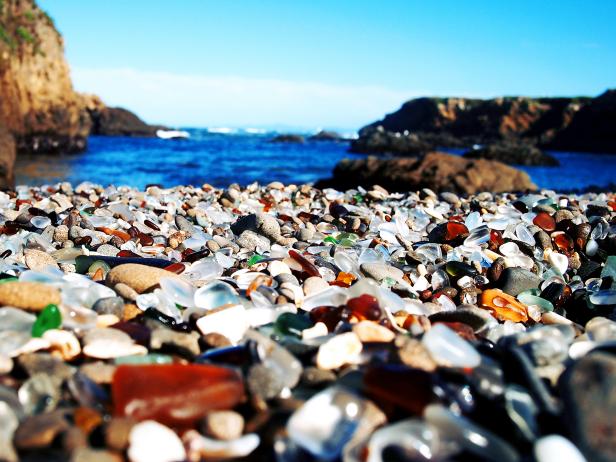
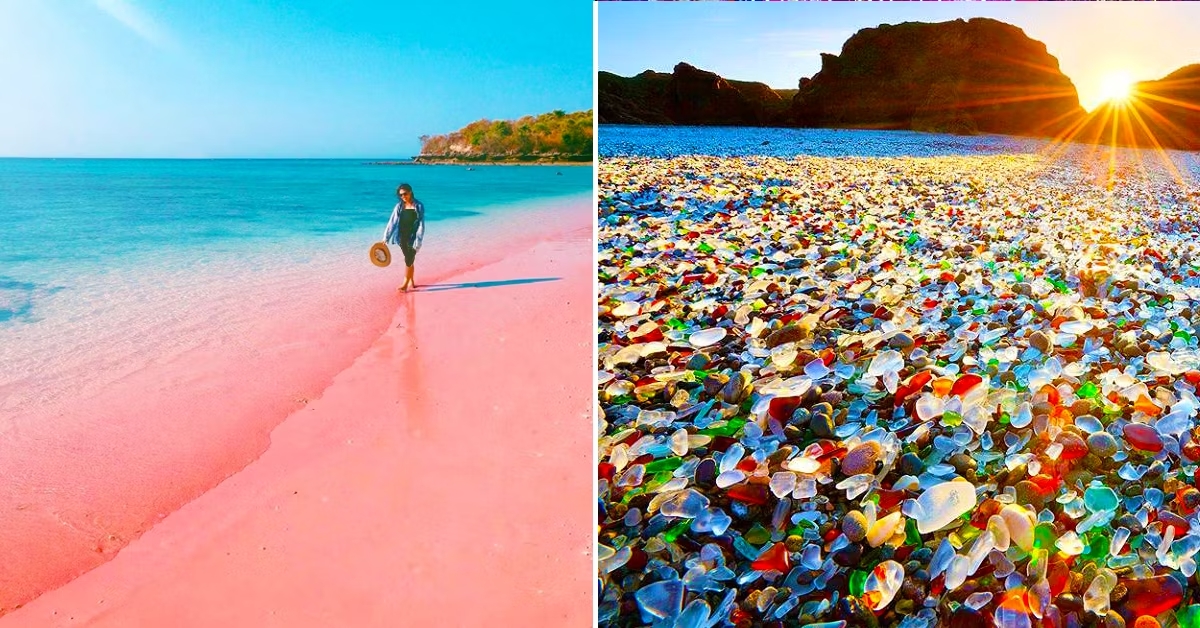
 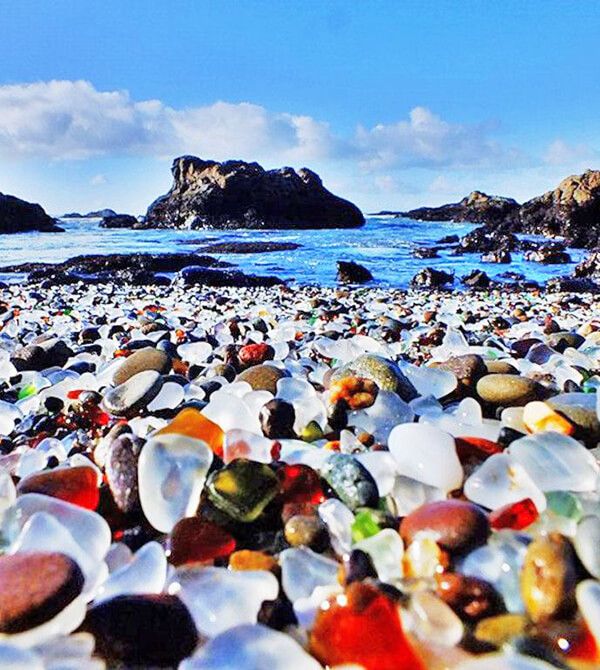 As waves crash against the shore, they reveal the glittering green sands, creating a breathtaking contrast against the azure waters of the Pacific Ocean. Visitors to Papakolea Beach not only marvel at its unique beauty but also gain insight into the powerful geological processes that have shaped Hawaii’s volcanic landscape. Venturing further north to the land of fire and ice, Reynisfjara Beach in Iceland offers a stark yet enchanting contrast with its black sand and smooth basalt stones. Set against a backdrop of towering sea stacks and dramatic cliffs, Reynisfjara is a testament to the raw power of nature. The black sand, formed from volcanic eruptions and weathered over time, provides a striking canvas for the polished basalt stones that litter the shoreline. As visitors stroll along the beach, they can’t help but feel humbled by the immense forces that have sculpted Iceland’s rugged coastline. Glass Beach in Fort Bragg, California, showcases nature’s ability to transform discarded waste into something beautiful. Once a dumping ground for glass bottles and household trash, Glass Beach now boasts shimmering shores adorned with colorful sea glass.
  Over decades, the relentless pounding of the waves has smoothed and polished the glass fragments, turning them into glittering gems that sparkle in the sunlight. Today, Glass Beach serves as a reminder of the importance of environmental conservation and the resilience of nature to heal and regenerate. Beyond their aesthetic appeal, naturally colored stone beaches also play a vital role in supporting biodiversity and preserving fragile ecosystems. The unique habitats along these shores are home to a diverse array of plant and animal species, many of which are found nowhere else on earth.
  From nesting sea turtles to coastal birds and marine life, these beaches provide crucial breeding grounds and foraging areas that sustain life above and below the water’s surface. In conclusion, natural colored stone beaches are more than just scenic wonders; they are windows into the Earth’s geological history and showcase nature’s creative prowess. Whether it’s the emerald sands of Papakolea Beach, the basalt-strewn shores of Reynisfjara, or the glistening sea glass of Glass Beach, each of these beaches offers a unique and unforgettable experience. As visitors stand in awe of their beauty, they are reminded of the importance of preserving and protecting these natural treasures for future generations to enjoy.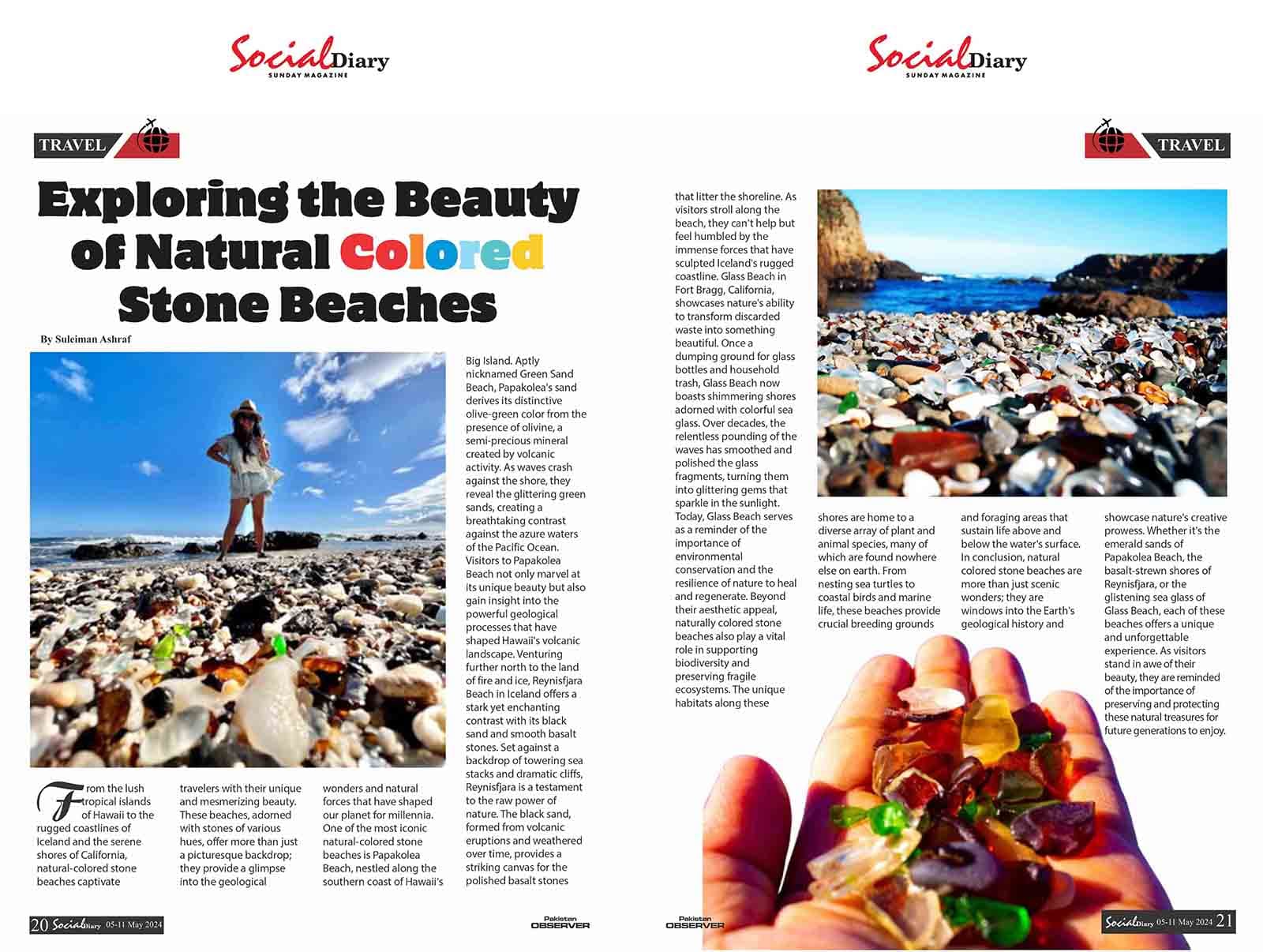

Hantavirus Outbreak: China is all Set to Ban US Citizens?
A new health debate is going viral. China may tighten entry measures for US citizens. The reason? Concerns over hantavirus...