















The pursuit of a radiant complexion often leads us to explore various ingredients promising transformative results. One such ingredient that has gained popularity in recent times is mandelic acid. Derived from bitter almonds, mandelic acid is a gentle yet effective exfoliant that has found its place in the beauty routines of many skincare enthusiasts. Understanding what mandelic acid is, how it works, its benefits, and potential side effects is crucial for anyone considering incorporating it into their skincare regimen.
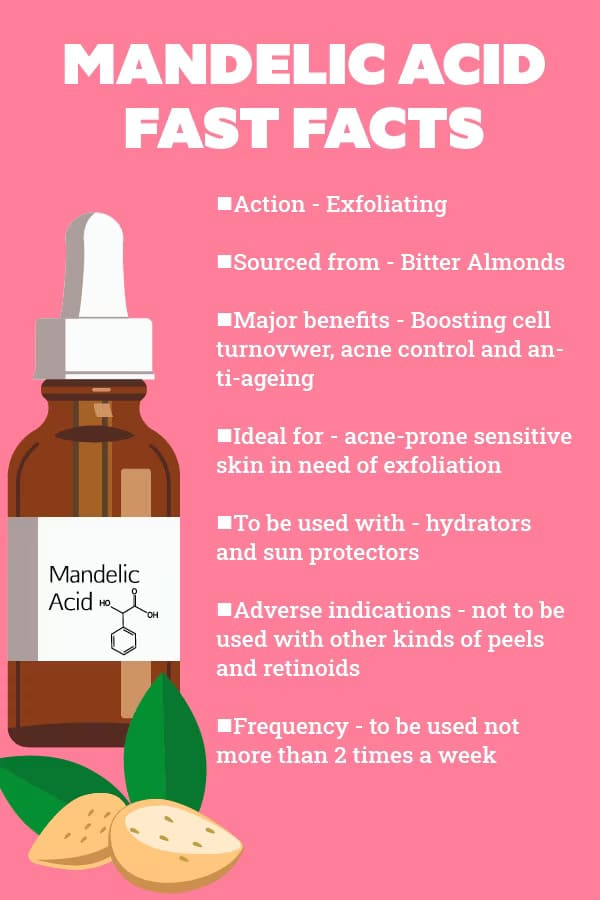 Mandelic acid belongs to the alpha hydroxy acid (AHA) family, renowned for its exfoliating properties. Unlike its counterparts, such as glycolic or lactic acid, mandelic acid boasts larger molecular structures, making it a milder option suitable for various skin types, including sensitive skin. This characteristic sets it apart, as it provides exfoliation without causing excessive irritation or redness.
How does mandelic acid work its magic?
At its core, mandelic acid accelerates cell turnover by dissolving the bonds that hold dead skin cells together. This process reveals a fresher, more youthful layer of skin, addressing concerns like dullness, uneven texture, and fine lines. Additionally, its antibacterial properties make it a valuable asset for those dealing with acne, as it can help control excess oil production and reduce the occurrence of breakouts. The benefits of mandelic acid extend beyond surface-level improvements. Its exfoliating prowess contributes to a more even skin tone, making it a go-to solution for individuals grappling with hyperpigmentation and discoloration.  The acid also supports collagen production, fostering elasticity and firmness, thereby promoting an overall healthier complexion. However, like any skincare ingredient, mandelic acid comes with its considerations. While it is generally well-tolerated, individuals new to AHA products should start with lower concentrations to allow their skin to acclimate. Gradually increasing usage can minimize the risk of potential side effects such as mild redness or peeling. It is imperative to incorporate sun protection into your routine when using mandelic acid, as heightened sensitivity to sunlight is a common occurrence with exfoliating acids. Moreover, caution is advised for those with nut allergies, as mandelic acid is derived from almonds. Mandelic acid stands as a versatile addition to the ever-expanding array of skincare ingredients. Its gentle nature, coupled with a spectrum of benefits, makes it a compelling choice for individuals seeking to refine their complexion. Whether addressing acne concerns, targeting hyperpigmentation, or simply aiming for a radiant glow, mandelic acid offers a nuanced approach to skincare that aligns with diverse needs.