










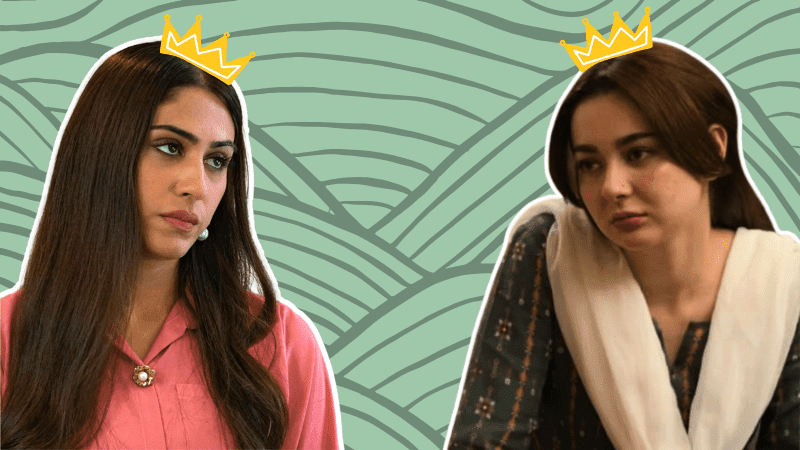
In the Pakistani drama “Kabhi Main Kabhi Tum,” the characters Rubab and Sharjeena have ignited extensive discussions about feminism and female representation. While many fans celebrate Rubab as a feminist icon, it’s essential to explore this perception without pitting women against each other.
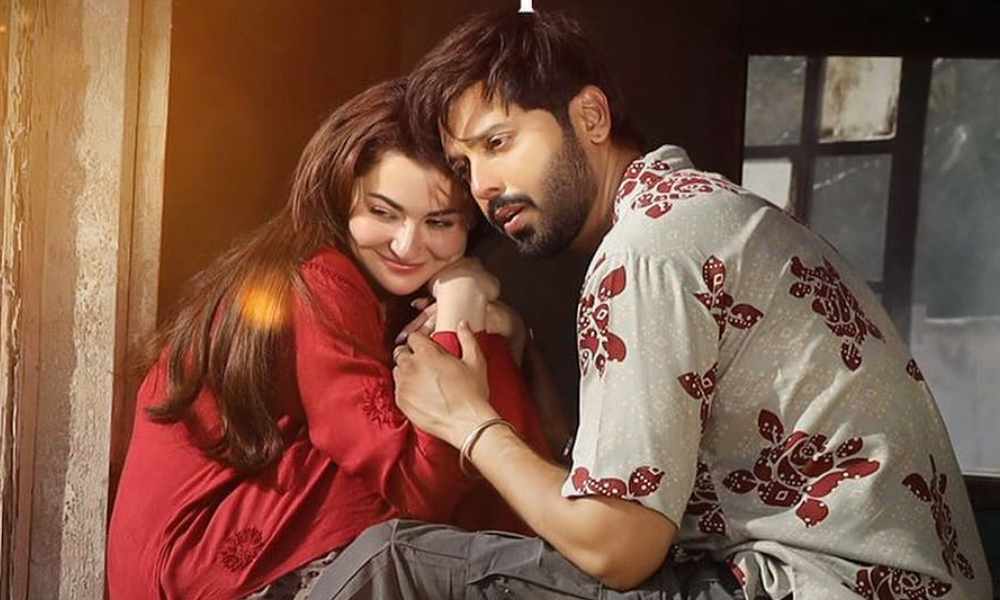
Rubab: The ‘Bad Girl’ Archetype
Rubab, played by Hania Aamir, embodies the “bad girl” archetype. Her assertive demeanor and dramatic quest for revenge against her unfaithful husband, Adeel, may seem empowering. However, her actions are often rooted in privilege and entitlement. While her boldness can be inspiring, her manipulative tactics against Sharjeena raise important questions: Is Rubab truly a role model for women seeking empowerment, or does she perpetuate toxic behavior?
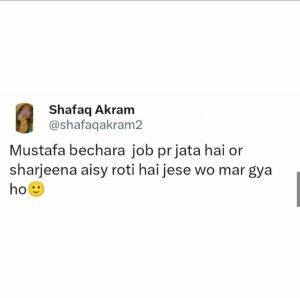
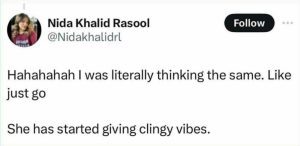


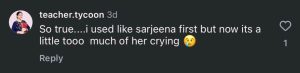
Sharjeena: The ‘Good Girl’ Facing Real Struggles
In contrast, Sharjeena, portrayed by Naeema Butt, faces significant challenges, including emotional neglect and the trauma of a miscarriage. Often labeled a “crybaby,” her character reflects deeper societal pressures that many women endure. Instead of vilifying Sharjeena, it’s crucial to recognize her strength and resilience in navigating her difficult circumstances as a middle-class woman.
View this post on Instagram
The Problem with Comparing Women
The dialogue surrounding Rubab and Sharjeena highlights a broader issue within feminist discourse: the harmful tendency to pit women against each other. Uplifting Rubab at the expense of Sharjeena undermines the true essence of feminism. Genuine empowerment involves supporting all women, regardless of their choices or situations.
View this post on Instagram
As “Kabhi Main Kabhi Tum” captivates audiences, it’s vital to appreciate both Rubab and Sharjeena for their distinct journeys. Instead of fostering rivalry, let’s promote solidarity among women. By doing so, we can embrace the complexity of female experiences and uplift each other in our struggles and triumphs.
Related articles to view: