













The historic town of Sehwan Sharif in Sindh, Pakistan. It is once again illuminated with spiritual fervor as the 773rd Urs celebrations of the revered Sufi saint. Lal Shahbaz Qalandar, commenced on Monday. This annual event, marking the death anniversary of the saint. It attracts thousands of devotees, pilgrims, and tourists from across the globe, transforming Sehwan into a hub of cultural and religious harmony.
Lal Shahbaz Qalandar: Who Was Lal Shahbaz Qalandar?
Lal Shahbaz Qalandar, born as Syed Usman Shah Marwandi. He was a 13th-century Sufi saint, philosopher, and poet. Famous for his message of love, peace, and unity, he is revered by people of all faiths. His shrine in Sehwan Sharif is one of the most visited spiritual sites in South Asia. Ultimately symbolizing the rich Sufi heritage of the region.
The Significance of the Urs Celebration
The Urs, meaning “marriage” in Sufi tradition, symbolizes the union of the saint’s soul with the Divine. The 773rd Urs of Lal Shahbaz Qalandar is a three-day event filled with devotional activities. It including Qawwali performances, Dhamaal (a Sufi dance), and the distribution of free food (Langar) to attendees. The celebrations highlight the essence of Sufism, promoting tolerance, inclusivity, and spiritual enlightenment.
Highlights of the 773rd Urs Celebrations
1. Dhamaal and Qawwali Nights: The rhythmic beats of drums and soulful Qawwali performances create an atmosphere of divine ecstasy, drawing devotees into a trance-like state of devotion.
2. Langar and Community Service: Volunteers serve free meals to thousands of visitors, embodying the saint’s teachings of selflessness and charity.
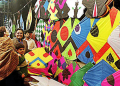
3. Cultural Exhibitions: Traditional Sindhi crafts, music, and art are showcase, celebrating the region’s rich cultural heritage.
4. Spiritual Discourses: Scholars and Sufi leaders deliver speeches on the teachings of Lal Shahbaz Qalandar, emphasizing unity and love for humanity.
A Global Gathering of Devotees
The Urs of Lal Shahbaz Qalandar is not just a local event but a global phenomenon. Devotees from Pakistan, India, Bangladesh, and beyond flock to Sehwan to pay their respects. The shrine’s iconic red dome and the sound of the dhol (drum) have become symbols of spiritual unity and cultural diversity.