






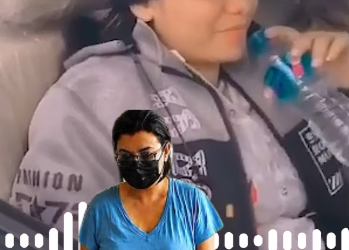





In the last few days, social media and messaging apps have been flooded with claims of a shocking viral MMS video linked to Pakistani influencer Sara Baloch — and now even a confusing story involving a supposed “Assam incident.” But what’s really going on?
Here’s the truth: there is no verified intimate video of Sara Baloch circulating online. What is spreading fast are malicious links disguised as shocking clips, designed to lure curious users into clicking and unknowingly exposing their phones and personal data to hackers.
These fake links often use eye-catching thumbnails and regional hooks (like referencing Assam) to appear legitimate. Once clicked, they can lead to phishing pages, malware downloads, or fake login screens that steal passwords, OTPs, bank details, and more.
Experts warn that clicking or sharing such links can compromise your digital privacy, lead to identity theft, and even put you at legal risk, since sharing or searching intimate content — real or fake — is treated seriously in many countries.
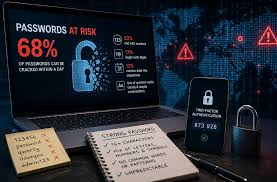
How to protect yourself online:
- Pause before you click on sensational links promising “full videos” or “exclusive clips.”
- Never enter your social media credentials on pages that look suspicious.
- Keep your device security software updated and avoid downloading unknown apps or plug-ins.
- Verify claims from trusted news or official sources before believing or sharing viral content.
The Sara Baloch trend isn’t just buzz — it’s a warning about how cybercriminals exploit curiosity and viral fame. Staying alert and cautious online isn’t just smart… it’s necessary.