






Pakistani dramas now feature a parade of narcissistic characters. Audiences jump from one toxic personality to another. This trend dominates prime-time television. These characters spark conversation and controversy. They also reflect complex societal patterns. Let’s explore this compelling trend.
The Allure of the On-Screen Narcissist
Why do these characters fascinate us? They are often charismatic and powerful. Their manipulation is dramatic and engaging. Viewers love to hate them. These portrayals spark intense social media debate. They hold up a mirror to toxic traits in our own world. The emotional rollercoaster keeps audiences hooked.
Pamaal: Raza’s Charming Deception
Pamaal presents Raza as a master manipulator. He wears the mask of a perfect suitor. His narcissism is subtle and calculated. The character expertly gaslights and controls. Recent episodes have left viewers emotionally devastated. The performance is chilling in its realism. Raza’s saintly facade makes his true nature more shocking.
Jaise Apni Marzi: A Textbook Narcissist
This drama features Mikael Zulfiqar in a standout role. His character is arguably one of the worst portrayals. The narcissism here is overt and demanding. It showcases emotional abuse and coercive control. Dure Fishan’s performance provides a poignant counterpoint. The show presents a stark power imbalance. It is a difficult but important watch.
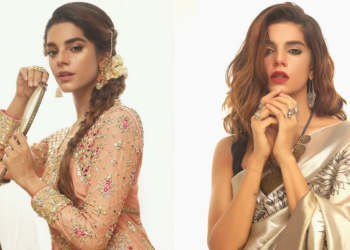
Kafeel: Sanam Saeed’s New Challenge
Sanam Saeed’s projects always draw attention. Her new drama, Kafeel, continues the trend. Within two episodes, the male lead’s true nature emerges. He is another classic narcissist. The setup promises a story of psychological warfare. Fans anticipate a powerful performance from Saeed. The drama is poised to explore deep emotional conflict.
Why This Trend Resonates
These stories connect with real-life experiences. Many recognize these traits from personal encounters. The dramas generate vital conversations about emotional health. They highlight red flags in relationships. This awareness is crucial for viewers. The trend also showcases actors’ range. Playing a villain is often more complex than playing a hero.
From Rage to Reflection: The Viewer’s Journey
Watching these characters is an intense experience. It moves from anger to frustration to sadness. Comparing Raza to a “saint” highlights how toxic scales can vary. This journey makes audiences more discerning. It also fuels online communities where viewers dissect each episode. The shared experience is a key part of the appeal.
The Verdict on the Narcissist Trope
This trend is both compelling and exhausting. Writers are crafting nuanced antagonists. Performances are consistently powerful. Yet, audiences crave variety and hope. The demand for strong, healthy protagonists is growing. The future may balance darkness with light. For now, the narcissist reigns supreme on our screens.
These characters are more than just villains. They are catalysts for discussion. They challenge viewers to think about psychology and relationships. The trend shows no immediate signs of stopping. Next time you press play, you might just meet another charming narcissist. Prepare for the emotional storm.