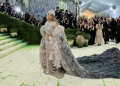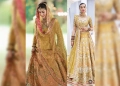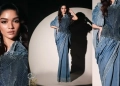

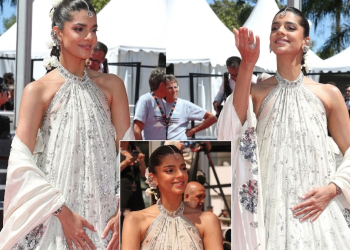




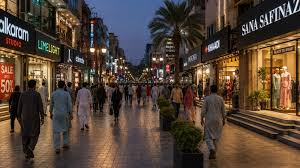





Ever seen a Dress and think that the print the colours look sofamiliar. Or when you walk into a shop and see designs that are similar to every brand. You will see the same silhouettes, similar prints, and identical styling across dozens of brands. The creative process appears to be vanishing. In its place, a hype-driven cycle has emerged where originality takes a backseat to algorithmic appeal .
This growing debate questions whether fashion has lost its creative soul. When similar designs appear simultaneously from multiple designers, where is the line between inspiration and imitation? And why does no one seem to claim plagiarism anymore?
When Everyone’s Designs Start Looking the Same
Look closely at contemporary collections. You will notice striking similarities across brands. The same style. With same minimalist aesthetics. The same color palettes appearing simultaneously in every shop.
This raises uncomfortable questions about originality. When multiple designers produce nearly identical prints, has anyone actually copied anyone? Or has the industry simply converged on whatever the algorithm favors?

The Dupe Culture Explosion
The rise of “dupe culture” has further complicated the originality debate. What began as quiet bargain-hunting has become a celebrated online trend. Social media creators openly compare low-cost look-alikes to premium products. Dupes differ from counterfeits in important ways. Counterfeits falsely claim to be authentic. They use protected logos to deceive consumers. Dupes avoid direct trademark use. They mirror design, packaging, and overall appearance. But consumers generally understand the product is inspired by, not the same as, the original. This distinction places dupes in legal gray areas. Selling counterfeits is clearly illegal. Selling dupes only now faces testing in courts .
More Links!
Farshi Shalwar Trend Replaced By Farshi Shirts This Eid Fashion Trend
Met Gala 2026 Dress Code Revealed: “Fashion Is Art” Theme Sparks Major Style Anticipation