














The film promised a story centered on a woman fighting for her rights. That core idea is compelling and necessary. However, the final product is deeply problematic. This critique will outline the film’s flaws. The analysis covers its narrative bias, weak execution, and troubling tropes.
‘Haq’ Praiseworthy Premise: Women’s Rights Front and Center
The film’s intended focus deserves acknowledgment. It aims to spotlight a woman’s struggle for her rights. One dialogue powerfully states: “women are marginalized in the list of marginalized.” This line highlights a brutal truth. The call for women to receive ample support is the movie’s strongest moral argument. This foundational idea is worthy of admiration and discussion.
A Major Flaw: Problematic Portrayal of Muslim Men
The film’s core narrative device is its central flaw. It constructs its argument by contrasting Muslim men with men of other faiths. The film positions Muslim men as uniquely cruel. This is a reductive and harmful generalization. As a feminist critique, this approach is counterproductive. It undermines the universal fight for gender equality. It substitutes nuance for stereotype.
Weak Execution: Forgettable Scenes and Unconvincing Performance
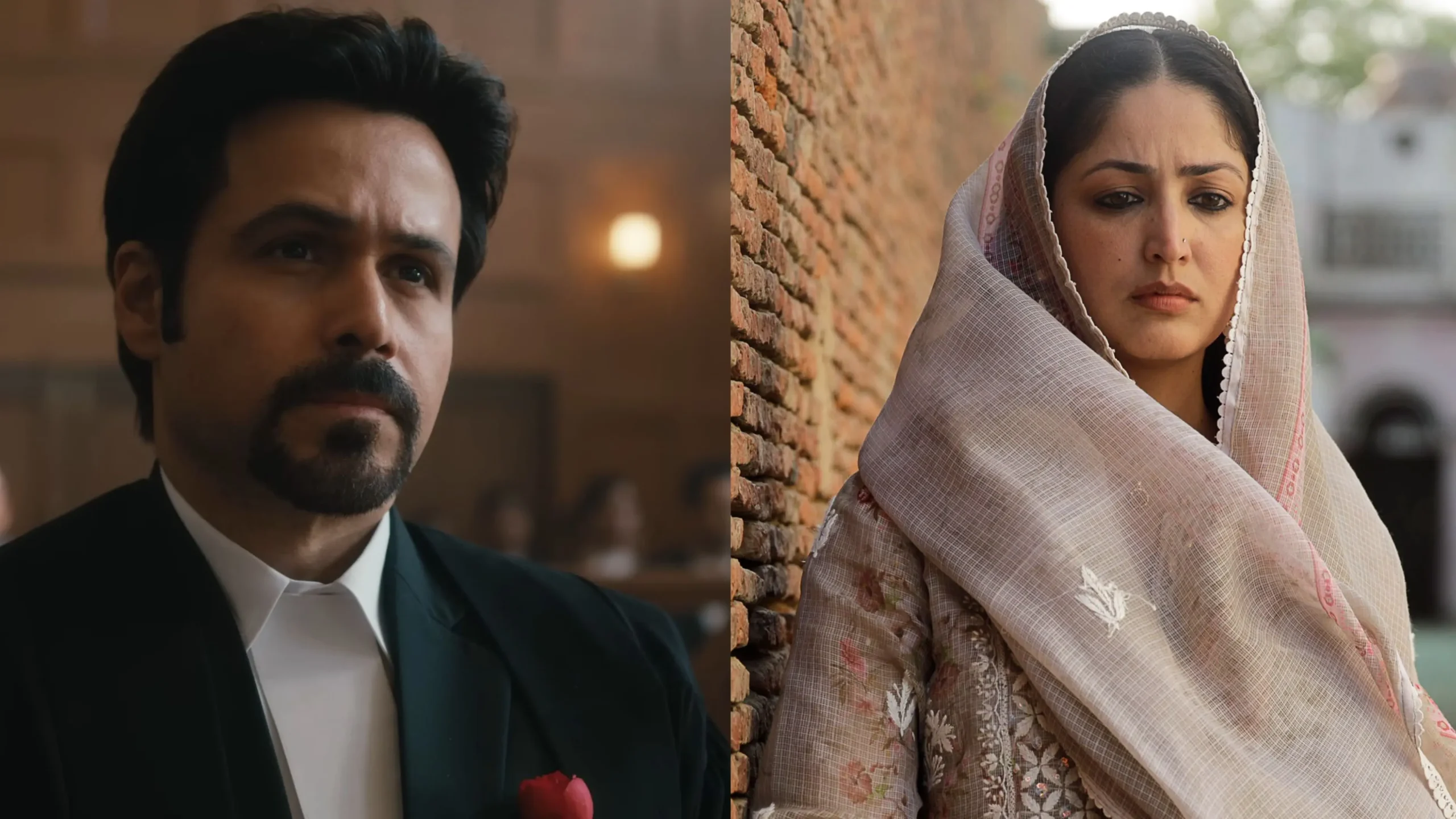
The film fails on a technical and performance level. Not a single scene stands out as memorable or impactful. Yami Gautam’s performance lacks persuasive power. She fails to make the audience connect with or champion her character. The character feels like a vehicle for a message, not a real person. This emotional disconnect cripples the film’s effectiveness.
The “Savior Complex” Trope: A Tired and Political Narrative
The film leans heavily on a troubling narrative trope. It perpetuates the “savior complex.” This is the idea that women, specifically Muslim women, need saving by an external force. The reviewer notes this complex exists broadly. But the film places it in a charged political context. It suggests Muslim women must be saved specifically from Muslim men. This narrative is politically reductive and ethically questionable.
Conclusion: A Missed Opportunity for Nuanced Feminism
‘Haq’ is a significant missed opportunity. Its heart is in the right place regarding women’s empowerment. Yet its mind employs harmful stereotypes and weak storytelling. The film sacrifices nuance for a polarized message. It uses the savior complex instead of championing female agency. For viewers seeking a thoughtful feminist narrative, ‘Haq’ disappoints. It offers a problematic framework that ultimately weakens its own important cause.