













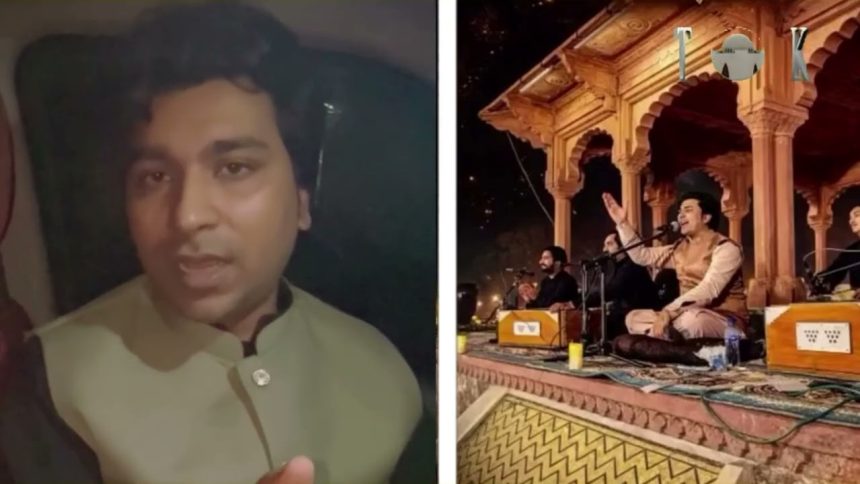
Police registered a case against qawwal Faraz Khan. He sang a song linked to “Prisoner 804”. The performance was at a government-backed musical night. The event was at Lahore’s Shalimar Gardens. The singer has now secured interim bail. Court and police officials confirmed the details.
Court Grants Interim Bail Until January 13
An additional sessions judge approved bail. Faraz Khan’s interim bail is valid until January 13. The qawwal’s full name is Faraz Amjad. He appeared personally before the court. He expressed regret over his performance.
Singer’s Statement to the Court
Faraz Khan addressed the judge directly. He stated he would not have sung the song. He claimed he was unaware of potential legal consequences. “If I had known that singing this song would lead to a case, I would never have sung it,” he told the court. His defense hinges on this lack of prior knowledge.
View this post on Instagram
Event Details and FIR Background
The World City of Lahore Authority organized the event. It was a music and cultural night at Shalimar Gardens. Faraz Khan performed qawwali with fellow artists. His performance included a song associated with “Adiala Jail prisoner 804″. This specific act prompted the authorities to file a First Information Report (FIR). The police report documents these details.
Current Legal Status and Next Steps
Faraz Khan is currently free on interim bail. His next court date is set for January 13. The police will proceed with their investigation. The case highlights tensions between artistic expression and legal boundaries in Pakistan. The cultural community is watching the outcome closely.
Implications for Performers and Event Organizers
This case sets a significant precedent. Artists may now vet song lyrics more carefully. Government-backed events will likely enforce stricter content guidelines. The balance between cultural performance and legal compliance remains a key issue.
Conclusion: A Case of Art vs. Regulation
Faraz Khan faces charges for a musical performance. The state-backed event turned into a legal battlefield. The court will determine the outcome on January 13. This case underscores the risks performers can face. It also questions the scope of artistic freedom at official events.