
















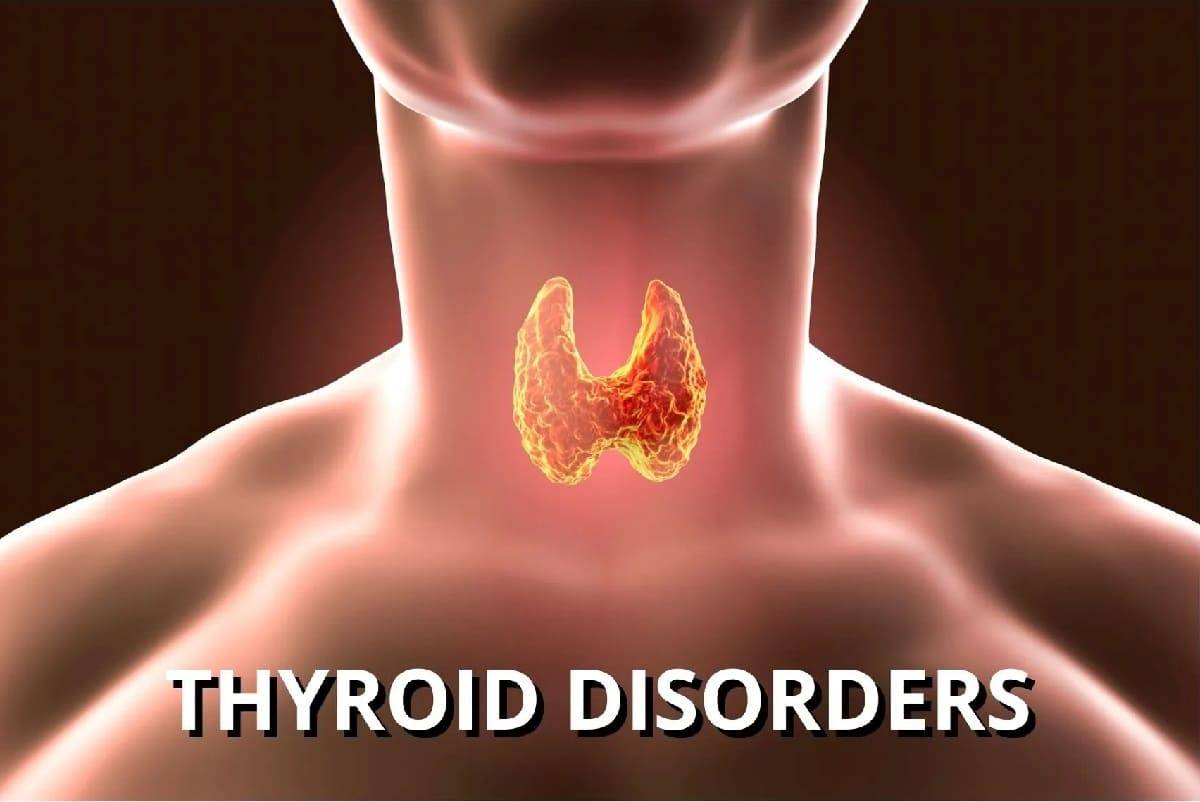
Thyroid disorders, though often overlooked, can significantly impact young adults’ lives. Whether you’ve been recently diagnosed or are already managing thyroid issues, understanding how to control and improve your thyroid health is crucial for your well-being.


- Understanding Thyroid Disorders: Thyroid disorders, such as hypothyroidism and hyperthyroidism, affect hormone production and metabolism. Symptoms vary but can include fatigue, weight changes, and mood swings. Getting diagnosed early and understanding your specific condition is the first step towards effective management.

Lifestyle Adjustments:
-
- Diet: A balanced diet rich in iodine, selenium, and zinc can support thyroid function. Avoid excessive iodine intake if you have hyperthyroidism.
- Exercise: Regular physical activity helps regulate metabolism and can alleviate symptoms like fatigue and weight gain.

- Stress Management: Chronic stress can worsen thyroid symptoms. Practices like yoga, meditation, or hobbies can reduce stress levels.
Medication Adherence: If prescribed medication, such as levothyroxine for hypothyroidism or beta-blockers for hyperthyroidism, consistency is key. Follow your doctor’s instructions diligently to maintain hormone levels within the optimal range.

Regular Monitoring: Regular check-ups and thyroid function tests are essential to track progress and adjust treatment if necessary. Communicate any new symptoms or concerns with your healthcare provider promptly.

Managing thyroid health requires a holistic approach involving diet, exercise, stress management, and medication adherence. By understanding your condition, making necessary lifestyle adjustments, and staying consistent with treatment, young adults can effectively control thyroid disorders and lead healthy lives. Remember, early intervention and proactive management are key to maintaining optimal thyroid function. Embrace these strategies to empower yourself in managing your thyroid health journey.