















Understanding Cramps and Muscle Stiffness: Causes, Remedies, and Prevention
Cramps and muscle stiffness, commonly referred to in Urdu as “nas chadh jana” or “nas phir jana,” are issues that almost everyone has experienced at some point in their life. These sudden, involuntary muscle contractions can be both painful and alarming. While cramps are generally harmless, understanding their causes, remedies, and preventive measures can help manage them effectively.
What Are Muscle Cramps?
Muscle cramps are sudden, intense, and involuntary contractions of one or more muscles. They typically occur in the legs, feet, or hands but can happen in any part of the body.
Causes of Muscle Cramps
- Dehydration
Lack of water in the body can disrupt the balance of electrolytes like potassium, sodium, and magnesium, leading to cramps. - Overuse of Muscles
Prolonged physical activity or overexertion can tire muscles, making them prone to cramping. - Poor Blood Circulation
Reduced blood flow due to sitting in one position for too long or poor posture can trigger cramps. - Electrolyte Imbalance
Deficiencies in essential minerals like calcium, potassium, and magnesium are common culprits. - Medical Conditions
Conditions such as diabetes, thyroid issues, or nerve compression can cause frequent cramping. - Cold Temperatures
Muscles can stiffen and cramp when exposed to cold, especially during physical activity.
Immediate Remedies for Muscle Cramps
- Stretch and Massage
Gently stretch the cramped muscle and massage it to relax the fibers. - Hydrate Quickly
Drink water or electrolyte-rich fluids like ORS, coconut water, or sports drinks. - Warm Compress
Apply a warm towel or heating pad to the affected area to relax the muscle. - Cold Therapy
For inflammation or pain, use a cold pack to soothe the area. - Use Magnesium Oil
Applying magnesium oil topically can quickly relieve cramps caused by magnesium deficiency.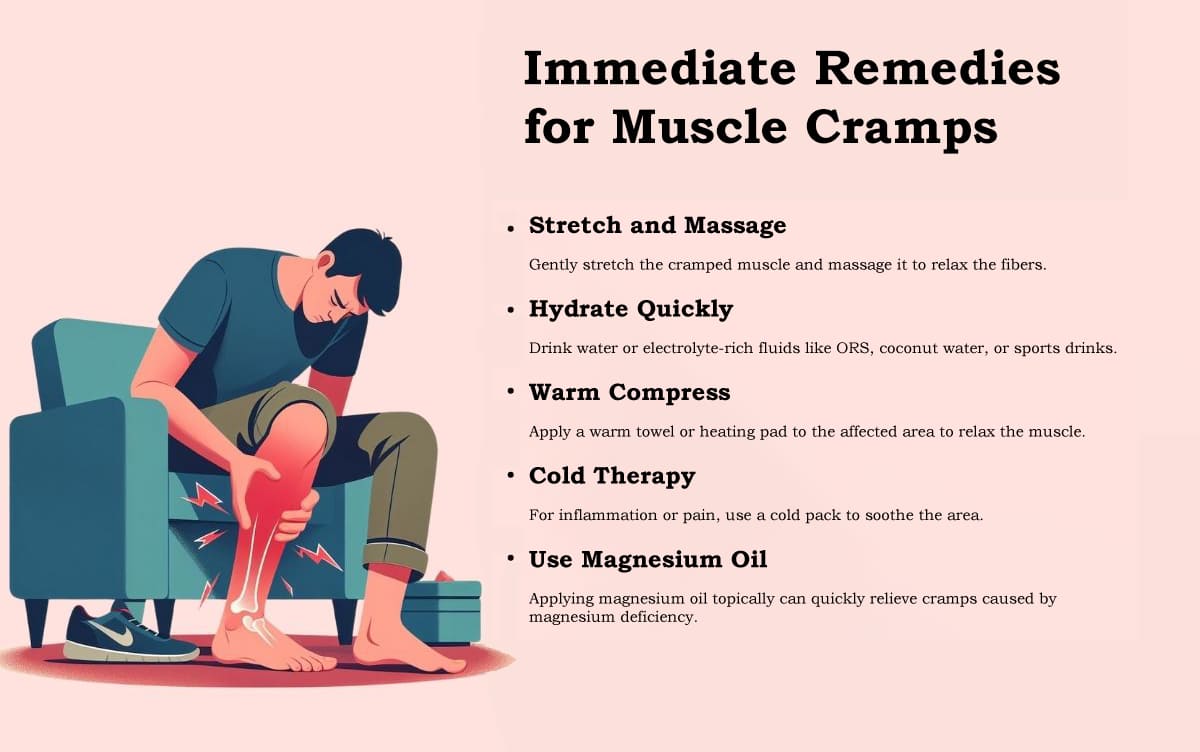
Preventive Measures
- Stay Hydrated
Drink enough water throughout the day, especially during physical activity or hot weather. - Balanced Diet
Include foods rich in potassium (bananas, oranges), magnesium (nuts, seeds), and calcium (dairy, leafy greens). - Regular Stretching
Stretching exercises before and after workouts can prevent stiffness and improve flexibility. - Avoid Overexertion
Don’t push your muscles beyond their capacity during physical activities. - Proper Footwear
Wearing supportive and comfortable shoes can improve posture and blood flow, reducing cramping risks.
How to Relieve Muscle Cramps and Prevent Nas Chadh Jana Naturally
Frequent muscle cramps can disrupt your daily life, but simple lifestyle adjustments can make a big difference. Focus on staying hydrated, maintaining a balanced diet rich in essential minerals, and incorporating regular stretches into your routine. Remedies like magnesium oil and warm compresses are also effective for quick relief. By taking these steps, you can naturally alleviate cramps and ensure healthier muscle function.
When to See a Doctor?
Occasional cramps are normal, but frequent or severe cramps may signal an underlying issue. Consult a doctor if:
- Cramps disrupt your daily activities.
- There is swelling, redness, or lingering pain.
- You experience cramps despite proper hydration and a balanced diet.
Conclusion
Cramps or “nas chadh jana” are common and usually manageable with simple remedies and preventive measures. By understanding their causes and adopting a healthy lifestyle, you can reduce the occurrence and severity of muscle cramps. However, if cramps persist, don’t hesitate to seek medical advice to rule out any serious conditions.