















The Iran-Israel conflict has entered its sixth day, drawing regional players into a growing crisis. The Iran-Israel conflict Pakistan Balochistan connection is now under intense global scrutiny as Pakistan closes five key border crossings in its southwestern Balochistan province amid fears of militant spillover.
Hypersonic Missiles and Civilian Toll Raise Alarm
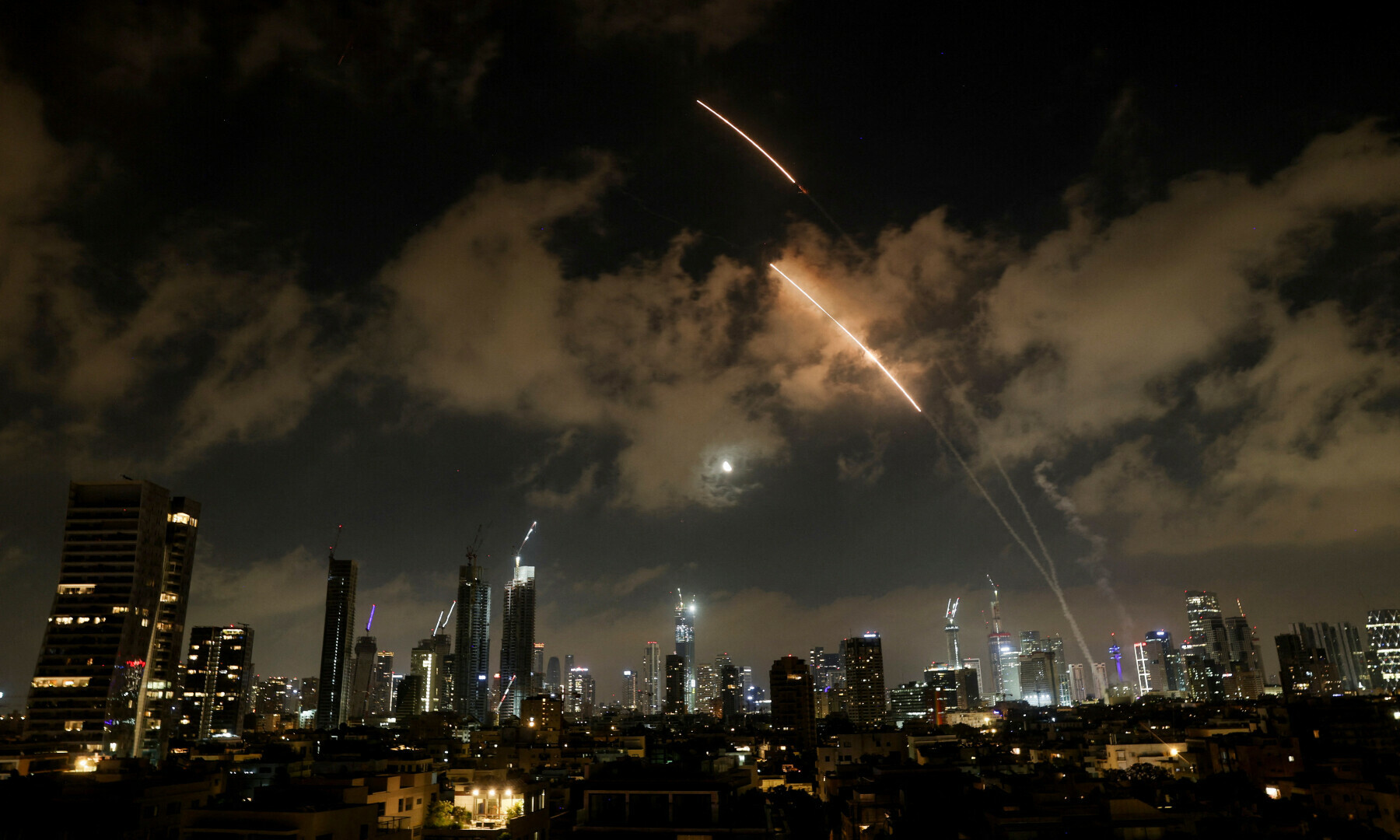
On Wednesday, Israel bombarded Iranian military sites, nuclear facilities, and civilian areas in its ongoing Operation Rising Lion, killing over 585 Iranians. In response, Iran launched hypersonic Fattah-1 missiles into Tel Aviv, claiming they hit an Israeli Mossad facility.
Explosions shook Tehran, Karaj, and Tel Aviv, prompting mass evacuations. The IRGC declared air superiority, while US President Donald Trump claimed “total control of Iran’s skies,” further escalating fears of U.S. involvement.
Pakistan’s Strategic Concerns: Balochistan on Edge
As a direct neighbor of Iran, Pakistan is deeply alarmed. The Iran-Israel conflict Pakistan Balochistan axis has created intense pressure on Islamabad to secure its porous borders. Balochistan, already a hotspot of separatist activity, now faces infiltration threats from armed groups operating near Iran.
More than 500 Pakistani students and pilgrims have returned home as Islamabad boosts surveillance along the Taftan border.
Regional War, Domestic Fallout
The Iran-Israel conflict is no longer a distant war for Pakistan. With Balochistan’s fragile stability at stake, Islamabad’s priority is to prevent militant infiltration and maintain security. As tensions escalate, Pakistan walks a delicate line between diplomacy, defense, and regional responsibility.