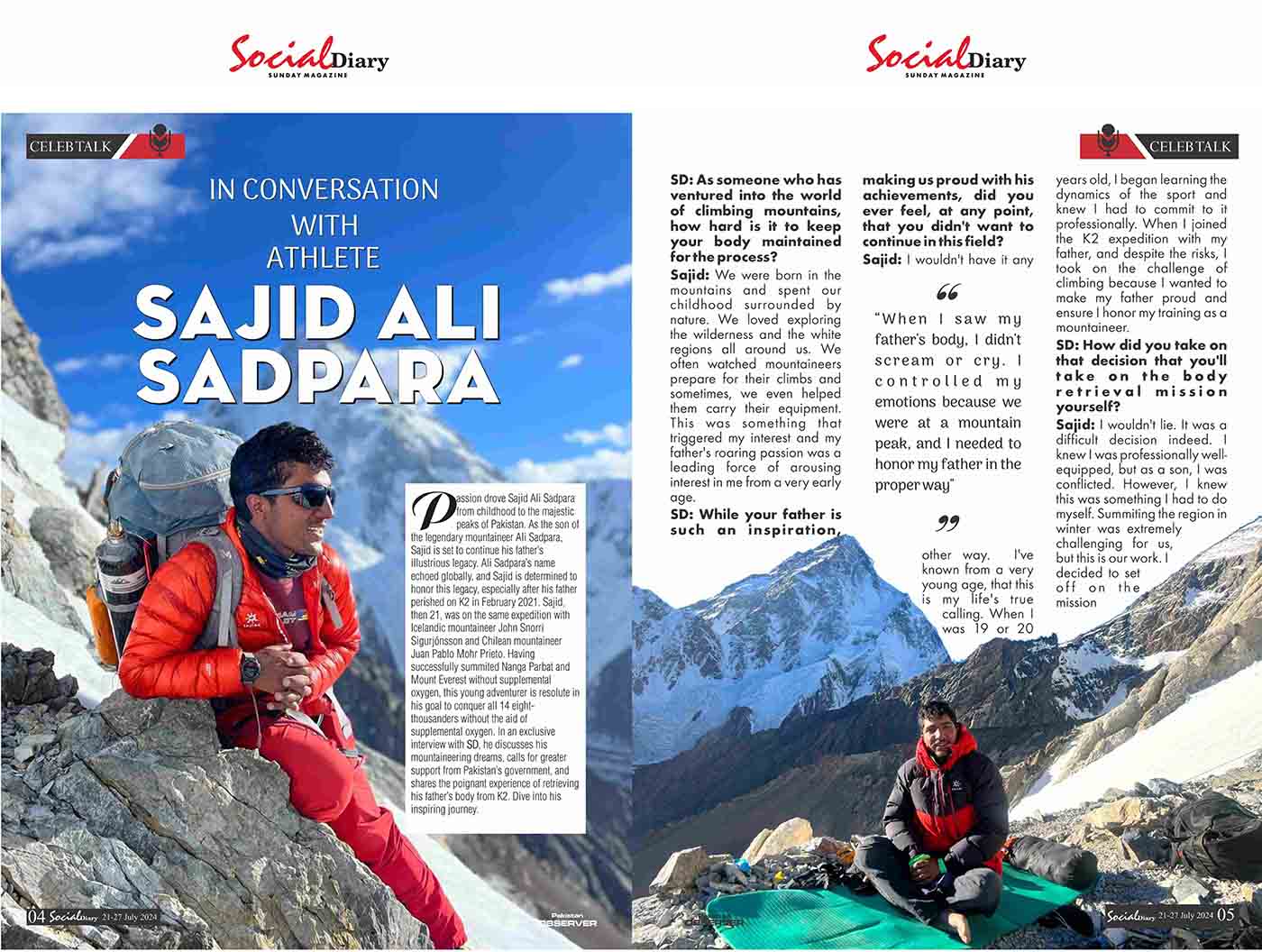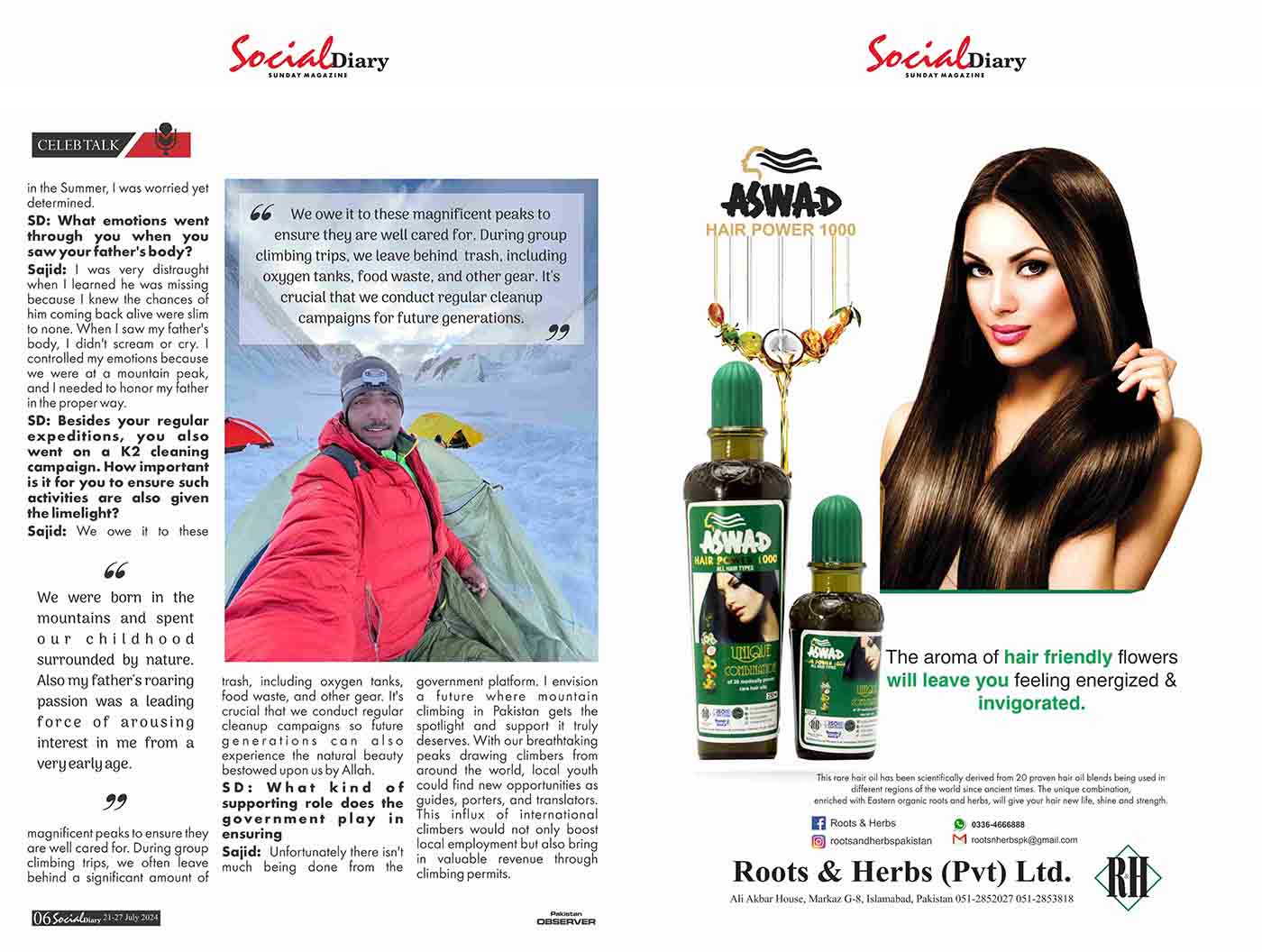









Passion drove Sajid Ali Sadpara from childhood to the majestic peaks of Pakistan. As the son of the legendary mountaineer Ali Sadpara, Sajid is set to continue his father’s illustrious legacy. Ali Sadpara’s name echoed globally, and Sajid is determined to honor this legacy, especially after his father perished on K2 in February 2021. Sajid, then 21, was on the same expedition with Icelandic mountaineer John Snorri Sigurjónsson and Chilean mountaineer Juan Pablo Mohr Prieto. Having successfully summited Nanga Parbat and Mount Everest without supplemental oxygen, this young adventurer is resolute in his goal to conquer all 14 eight-thousanders without the aid of supplemental oxygen. In an exclusive interview with SD, he discusses his mountaineering dreams, calls for greater support from Pakistan’s government, and shares the poignant experience of retrieving his father’s body from K2. Dive into his inspiring journey.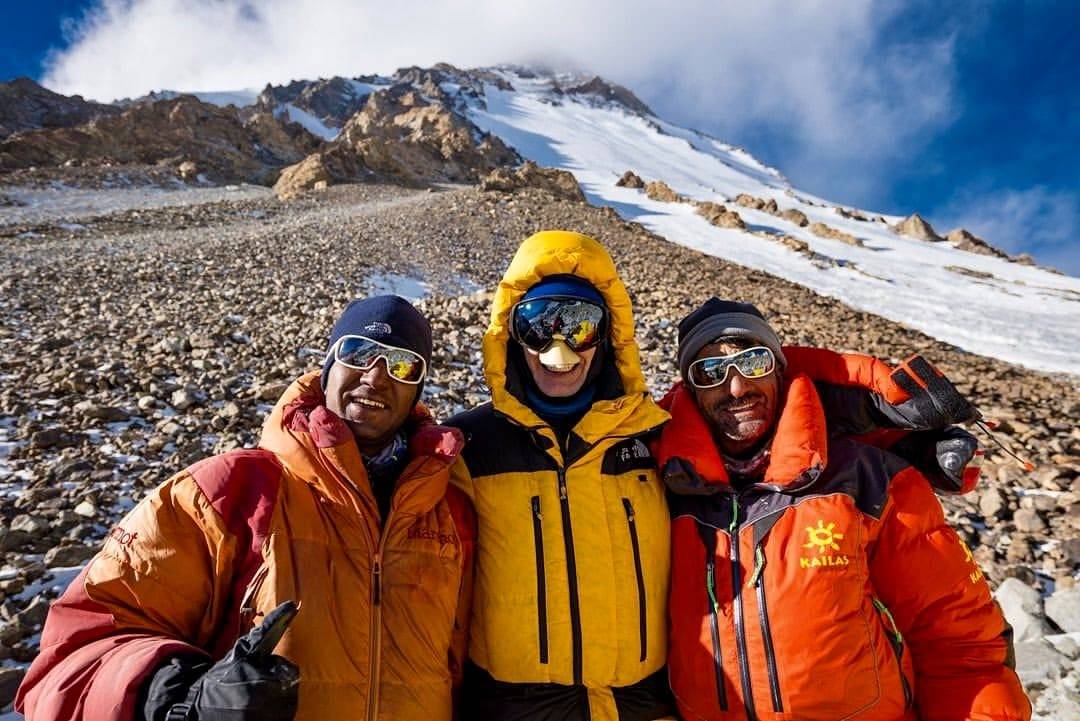
SD: As someone who has ventured into the world of climbing mountains, how hard is it to keep your body maintained for the process?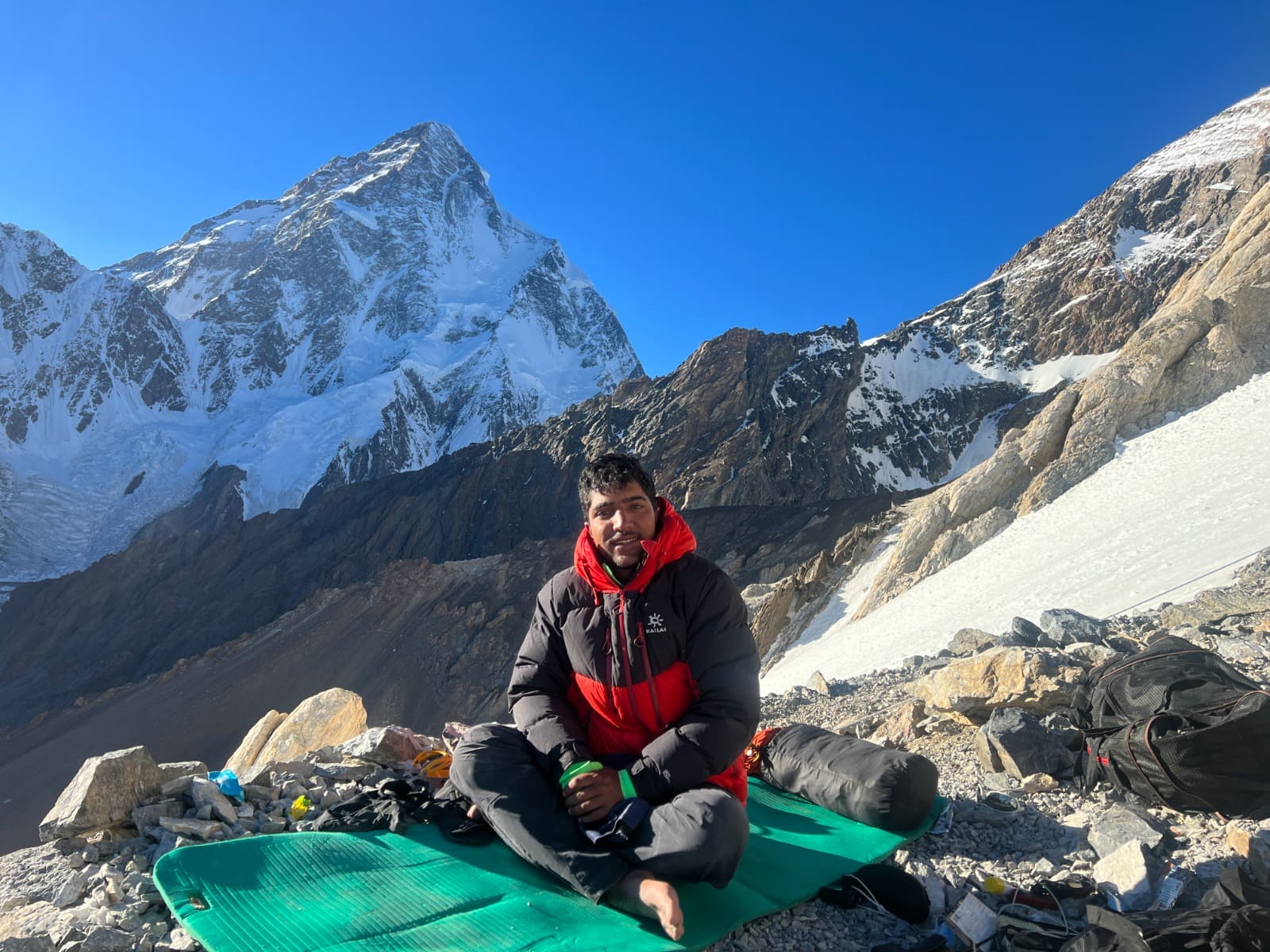
Sajid: We were born in the mountains and spent our childhood surrounded by nature. We loved exploring the wilderness and the white regions all around us. We often watched mountaineers prepare for their climbs and sometimes, we even helped them carry their equipment. This was something that triggered my interest and my father’s roaring passion was a leading force of arousing interest in me from a very early age.
SD: While your father is such an inspiration, making us proud with his achievements, did you ever feel, at any point, that you didn’t want to continue in this field?
Sajid: I wouldn’t have it any other way. I’ve known from a very young age, that this is my life’s true calling. When I was 19 or 20 years old, I began learning the dynamics of the sport and knew I had to commit to it professionally. When I joined the K2 expedition with my father, and despite the risks, I took on the challenge of climbing because I wanted to make my father proud and ensure I honor my training as a mountaineer.
SD: How did you take on that decision that you’ll take on the body retrieval mission yourself?
Sajid: I wouldn’t lie. It was a difficult decision indeed. I knew I was professionally well-equipped, but as a son, I was conflicted. However, I knew this was something I had to do myself. Summiting the region in winter was extremely challenging for us, but this is our work. I decided to set off on the mission in the Summer, I was worried yet determined.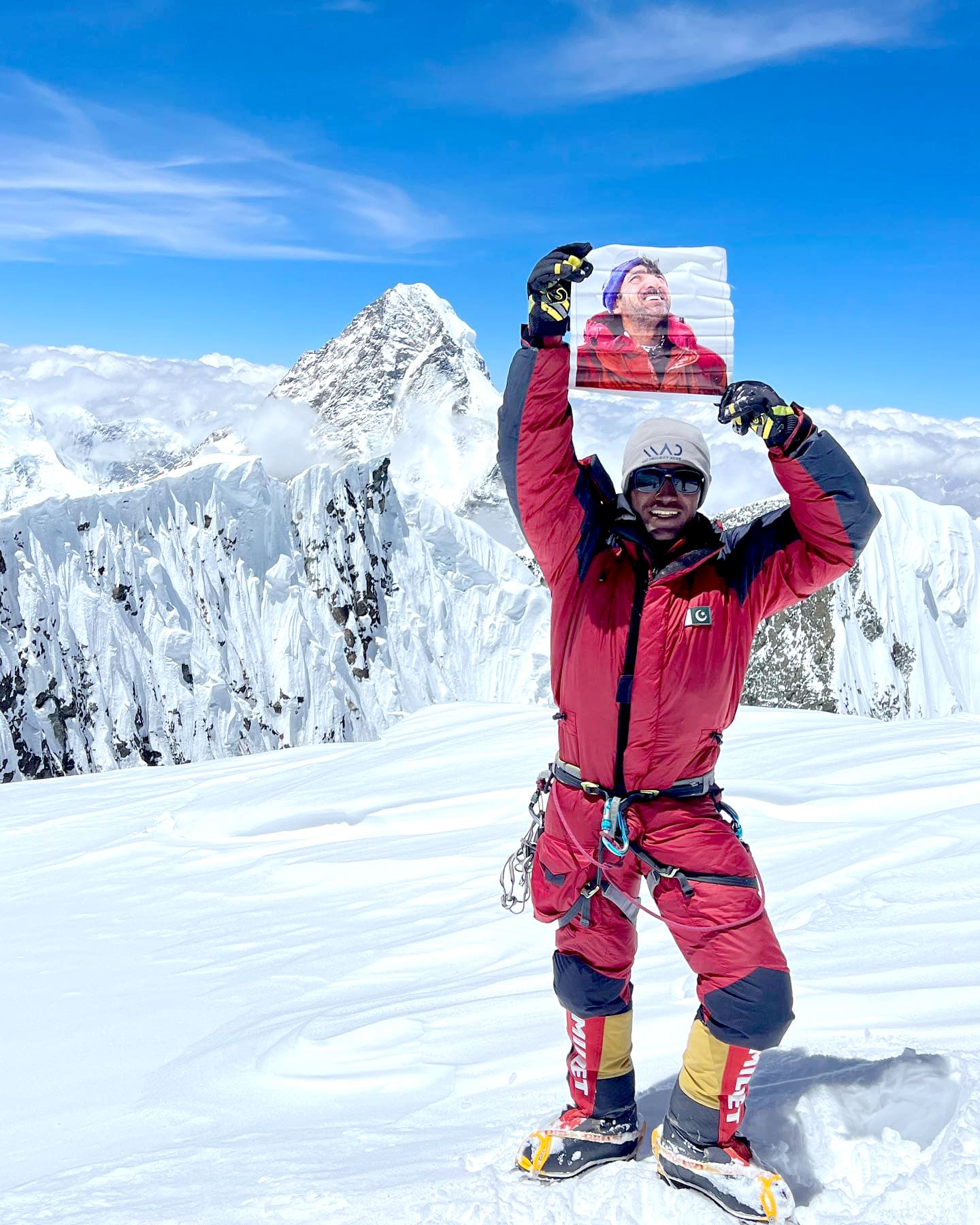 SD: What emotions went through you when you saw your father’s body?
Sajid: I was very distraught when I learned he was missing because I knew the chances of him coming back alive were slim to none. When I saw my father’s body, I didn’t scream or cry. I controlled my emotions because we were at a mountain peak, and I needed to honor my father in the proper way.
SD: Besides your regular expeditions, you also went on a K2 cleaning campaign. How important is it for you to ensure such activities are also given the limelight?
Sajid: We owe it to these magnificent peaks to ensure they are well cared for. During group climbing trips, we often leave behind a significant amount of trash, including oxygen tanks, food waste, and other gear. It’s crucial that we conduct regular cleanup campaigns so future generations can also experience the natural beauty bestowed upon us by Allah.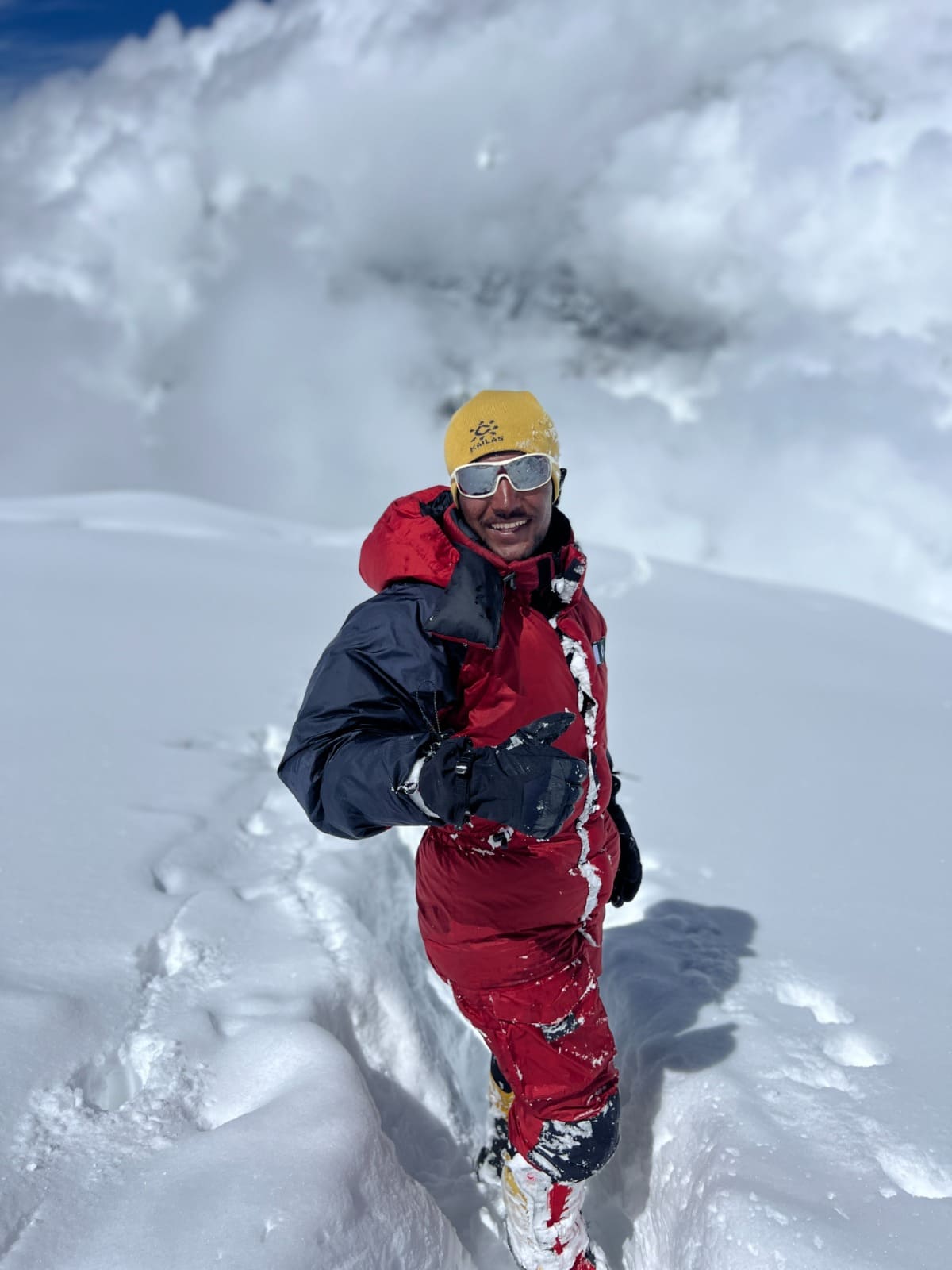
SD: What kind of supporting role does the government play in ensuring
Sajid: Unfortunately there isn’t much being done from the government platform. I envision a future where mountain climbing in Pakistan gets the spotlight and support it truly deserves. With our breathtaking peaks drawing climbers from around the world, local youth could find new opportunities as guides, porters, and translators. This influx of international climbers would not only boost local employment but also bring in valuable revenue through climbing permits.